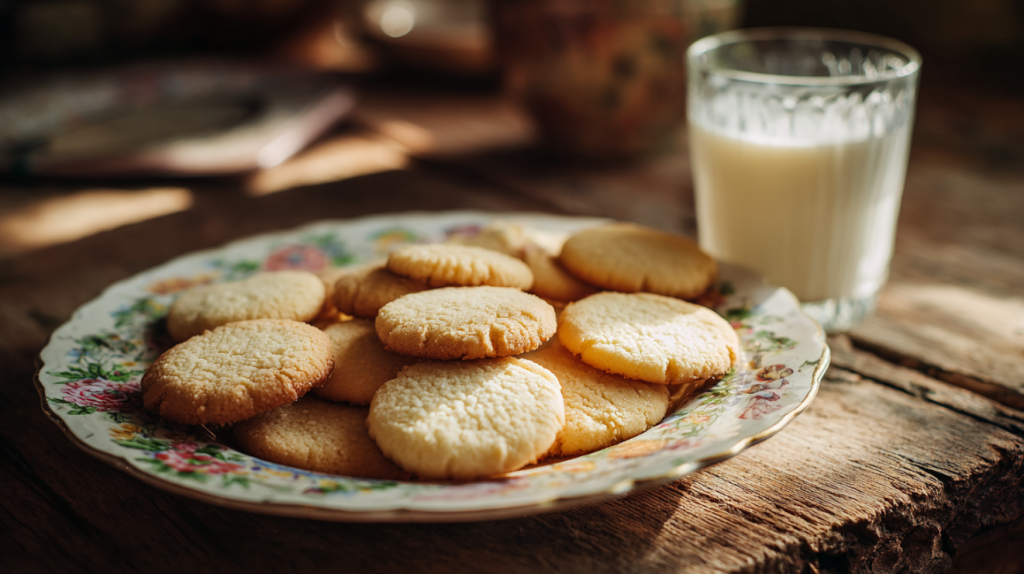
A good butter cookie recipe is the foundation of every Southern cookie jar — simple enough for a weeknight treat, elegant enough for a holiday spread, and impossible to stop eating once you start. This is the recipe I have been making for more than forty years, and it has never once let me down.
If you have ever pulled a batch of butter cookies out of the oven only to find them flat, greasy, or tough as leather, I understand that frustration. It is one of those recipes that looks so simple you think nothing can go wrong — and then everything does. The good news is that once you understand what the butter, the sugar, and the flour are doing in that dough, you will never have that problem again.
This article walks you through every step, from creaming the butter to pulling the perfect golden cookie off the baking sheet. By the time you are done reading, you will know exactly what to look for, what to listen for, and when to trust your instincts over the timer.
Why a Simple Butter Cookie Holds a Special Place at the Table
Butter cookies are one of the oldest recipes in Southern baking, and there is a reason they have survived every trend and fad that has come through the kitchen. They do not need chocolate chips or fancy glazes or a dozen spices to earn their place on the plate. They earn it with butter, sugar, and good technique — the same way they always have.
I first learned to make these standing on a step stool beside my mother, and the thing she drilled into me from the very beginning was this: the better your butter, the better your cookie. That was true then and it is true now. These are not cookies that hide behind layers of flavor. The butter is the star, and everything else is there to support it.
In our family, a tin of butter cookies showed up at every gathering — baby showers, funerals, the first day of school, and every Christmas without exception. They were the one thing people always asked for, and the recipe was always the same. No need to fix what is not broken. If you are looking for more of that Southern baking tradition, I cover the full range of techniques and heritage in The Complete Guide to Southern Cooking: Techniques, Traditions & Time-Tested Wisdom.
What makes this version worth making is that it strikes the perfect balance between crisp and tender. The edges have a little snap to them, the centers are soft enough to almost melt, and the butter flavor comes through clean and rich from the first bite to the last crumb.
The Ingredients That Make These Butter Cookies Sing
The beauty of a butter cookie recipe is that every ingredient has a job to do, and there is nowhere to hide a shortcut. Start with unsalted butter — always unsalted. You want to control the salt in this dough yourself, and salted butter varies so much from brand to brand that you will never get consistent results. Use the best butter you can find, because you will taste every bit of it.
The combination of granulated sugar and powdered sugar is not something I came up with on a whim. The granulated sugar gives you that slight crispness on the edges, while the powdered sugar keeps the center tender and almost shortbread-like. Together, they create a cookie that has texture without being crunchy.
Vanilla extract is essential, and I use a generous two teaspoons here. If you have real vanilla, use it — the imitation will work in a pinch, but you will notice the difference. The touch of almond extract is optional, but I have been adding it for years. It does not make the cookies taste like almonds. It just rounds everything out and gives the flavor a little depth that people notice but cannot quite name.
For the flour, a good all-purpose flour is exactly what you need. If you happen to have A Guide to Southern Flours: White Lily vs. All-Purpose on hand, White Lily will give you an even more tender cookie because of its lower protein content — but regular all-purpose works beautifully.
Quick Substitution Guide:
- Salted butter: reduce the added salt to a tiny pinch
- No almond extract: leave it out entirely — the cookies are still wonderful
- Gluten-free flour blend (1:1 type): works reasonably well but the texture will be slightly more crumbly
- Brown sugar instead of granulated: you will get a chewier, less crisp cookie with a mild caramel note — good, but different
How to Make Butter Cookies That Come Out Perfect Every Time
This is where I stand beside you at the counter and walk you through everything. The recipe card gives you the bones — this section gives you the instincts.
Getting Your Butter Right
Room-temperature butter is not a suggestion. It is the single most important thing in this entire recipe. When I say room temperature, I mean the butter gives a little when you press your finger into it, but it does not feel greasy or warm. If you can press your thumb in and it sinks right through with no resistance, it is too warm. If it barely dents, it is too cold.
The best way to get there is to cut your butter into tablespoon-sized pieces and set them on the counter about 45 minutes before you start. I know — it takes planning. But cold butter will not trap air when you cream it, and butter that is too warm will not hold that air either. Both give you flat, dense cookies.
Creaming — The Step That Makes or Breaks Everything
Put your butter in the bowl and beat it by itself first, just for a minute or two, until it is smooth and there are no lumps. Then add both sugars and beat on medium-high for a full three minutes. I mean a real three minutes — set a timer if you need to.
Here is what you are looking for: the mixture should turn noticeably paler, almost the color of heavy cream. It should look fluffy and light, not dense or greasy. If you scrape the side of the bowl with a spatula, it should feel almost like frosting. That is what properly creamed butter looks like, and it is the foundation of a tender cookie. If you want to understand more about why technique matters this much in Southern baking, I go deep on the principles in Why Cold Fat and Soft Flour Make a Better Biscuit — the same science applies here.
Add the egg and the extracts and beat until everything is combined and smooth. Scrape the bowl down one more time.
Bringing the Dough Together
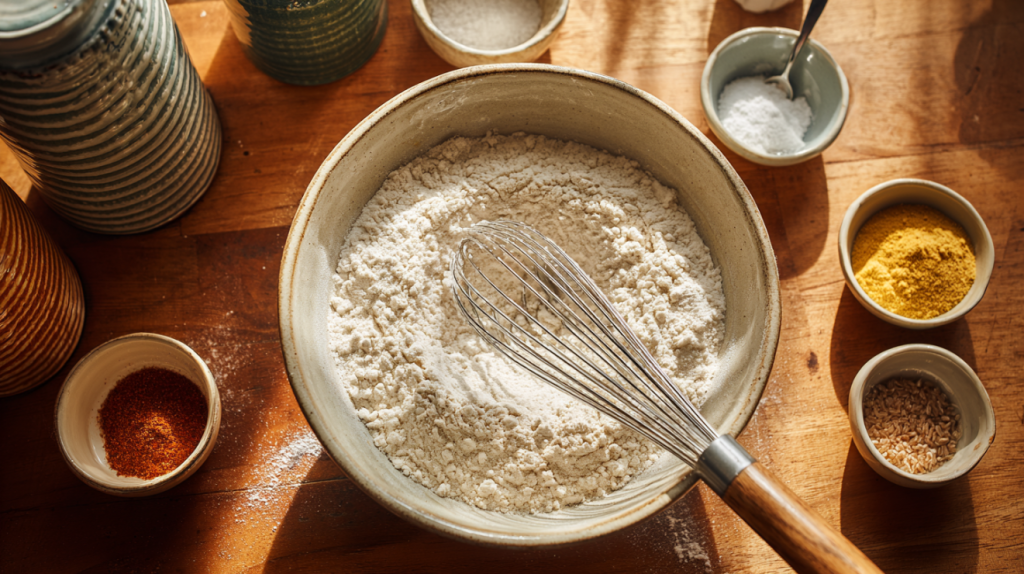
Whisk your flour, baking powder, and salt together in a separate bowl. You want those dry ingredients evenly distributed before they go anywhere near the butter. Then add the dry ingredients in two batches, mixing on the lowest speed your mixer has.
This is where most people go wrong. They mix until the dough looks perfectly smooth — and that is about thirty seconds too long. Stop mixing the moment you do not see any more dry streaks of flour. The dough might still look a little shaggy, and that is fine. Overmixed cookie dough develops too much gluten, and that is what gives you tough, dense cookies instead of tender ones. Proper mixing technique is one of the most common factors in home baking success.
Chilling — Do Not Skip This
Wrap that dough in plastic, press it into a flat disc (so it chills faster and more evenly), and put it in the refrigerator for at least thirty minutes. If you can leave it an hour, even better. The dough needs to firm up so the cookies hold their shape in the oven instead of spreading into thin, greasy puddles.
While the dough chills, preheat your oven to 350°F and line your baking sheets with parchment paper. I know some folks use silicone mats, and those work fine — but parchment gives you slightly crisper bottoms, which I prefer for a butter cookie.
Shaping and Baking
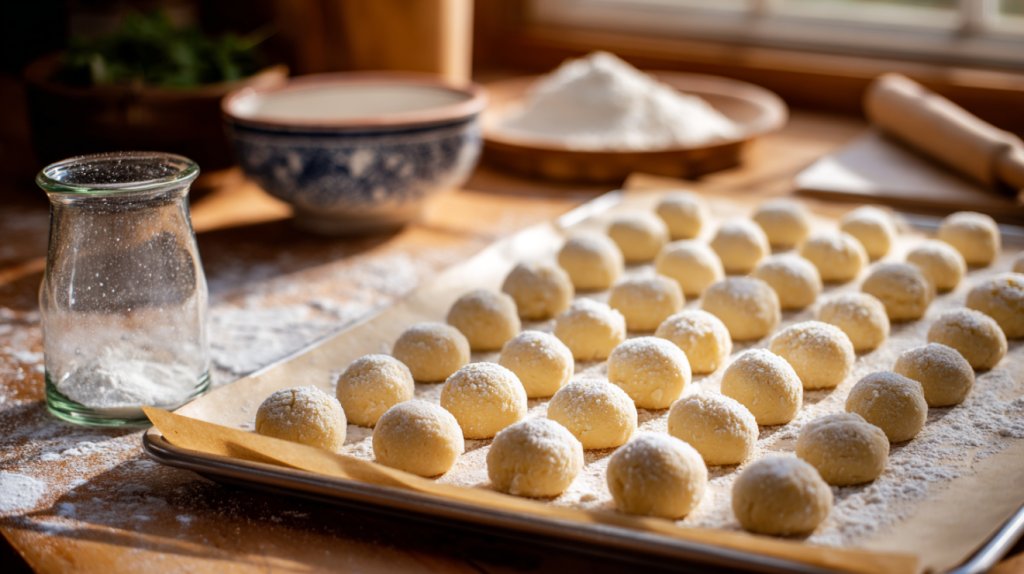
Roll the dough into balls about an inch across — a cookie scoop makes this fast and keeps them uniform, which means they all bake at the same rate. Place them two inches apart on the sheet. Then gently flatten each one with the bottom of a glass or the palm of your hand. You want them about a quarter-inch thick.
Slide them into the oven and set your timer for ten minutes. At the ten-minute mark, look at them. Here is what you want to see: the very edges should be just starting to turn the palest shade of gold, like straw. The centers will still look soft and slightly puffy, almost underdone. That is exactly right. Those cookies will continue to set and firm up as they cool on the pan. If you wait until the centers look done in the oven, they will be overbaked by the time they hit the cooling rack.
Let them sit on the baking sheet for a full five minutes before you move them. They are too fragile to handle right out of the oven. After five minutes, slide a spatula under them and transfer them to a wire rack. You will hear a very faint crackle as the bottom releases from the parchment — that is the sound of a crisp edge, and it means you did everything right.
What to Serve With These Butter Cookies and When to Make Them
A butter cookie is one of those rare things that fits every occasion without trying too hard. On a weeknight, a few of these with a cold glass of milk is about the most perfect simple dessert there is. For company, stack them on a pretty plate alongside a pot of good coffee and you have something that looks and tastes like you spent all day in the kitchen — even though you did not.
These cookies pair beautifully with fresh strawberries and a little whipped cream in the summer, or with a warm mug of spiced cider in the fall. At Christmas, they belong on every cookie platter, right next to the pecans and the thumbprints. They are also wonderful crumbled over vanilla ice cream or layered into a trifle.
If you are putting together a full Southern spread for the holidays, these fit right alongside any of the desserts I cover in Southern Desserts: A Guide to Pies, Cobblers & More. They are a welcome change of pace next to richer, heavier sweets.
Flavor Twists That Keep Things Interesting
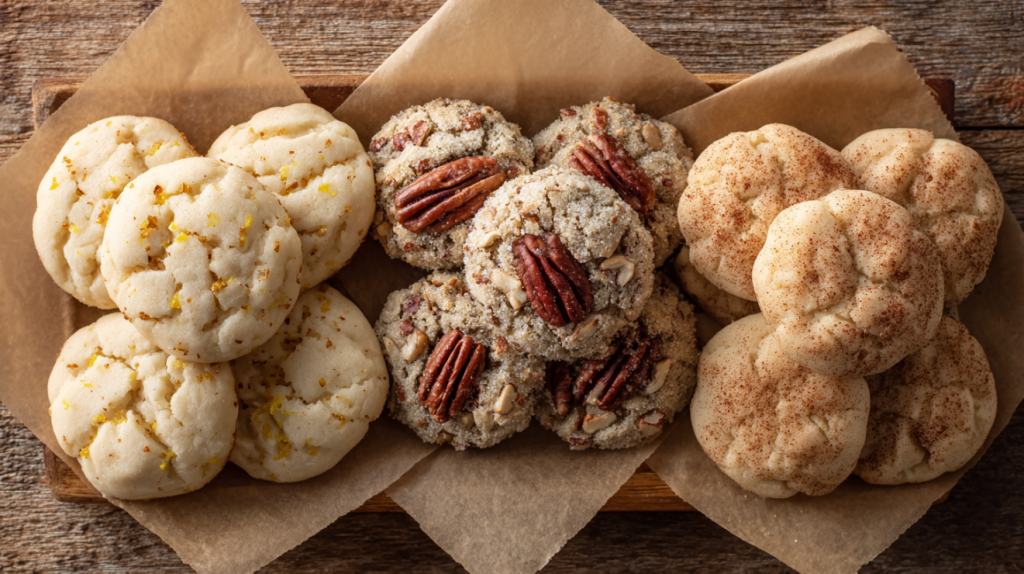
Lemon Zest Butter Cookies
Add the finely grated zest of one large lemon to the dough when you add the vanilla. The lemon does not overpower the butter — it lifts it up and makes everything taste brighter. These are especially good in the spring and summer, and they are the ones my granddaughter asks for every single time she visits.
Brown Butter Butter Cookies
Brown your butter in a saucepan first, let it cool until it is solid enough to cream, then proceed with the recipe. This adds a deep, nutty, almost caramel flavor that makes people stop chewing and ask what you did differently. It takes an extra twenty minutes but is absolutely worth it.
Cinnamon Sugar Butter Cookies
Roll the shaped dough balls in a mixture of two tablespoons of sugar and one teaspoon of cinnamon before flattening them. The cinnamon sugar creates a sparkly, slightly crunchy exterior that pairs beautifully with the tender butter center. These are the ones that vanish first at church potlucks.
Pecan Sandies Style
Fold in three-quarters of a cup of finely chopped toasted pecans when you add the flour. If you are working with pecans regularly, I cover everything you need to know in A Guide to Pecans and How to Store, Toast, and Use Them. The toasting brings out their flavor in a way raw pecans never will, and they add a sandy crunch that earns the name.
Espresso Butter Cookies
Dissolve two teaspoons of instant espresso powder into the vanilla extract before adding it to the butter. The coffee flavor is subtle — it deepens the butter and vanilla rather than making the cookies taste like coffee. These are my favorite with a cup of after-dinner coffee.
Keeping Your Butter Cookies Fresh and Ready
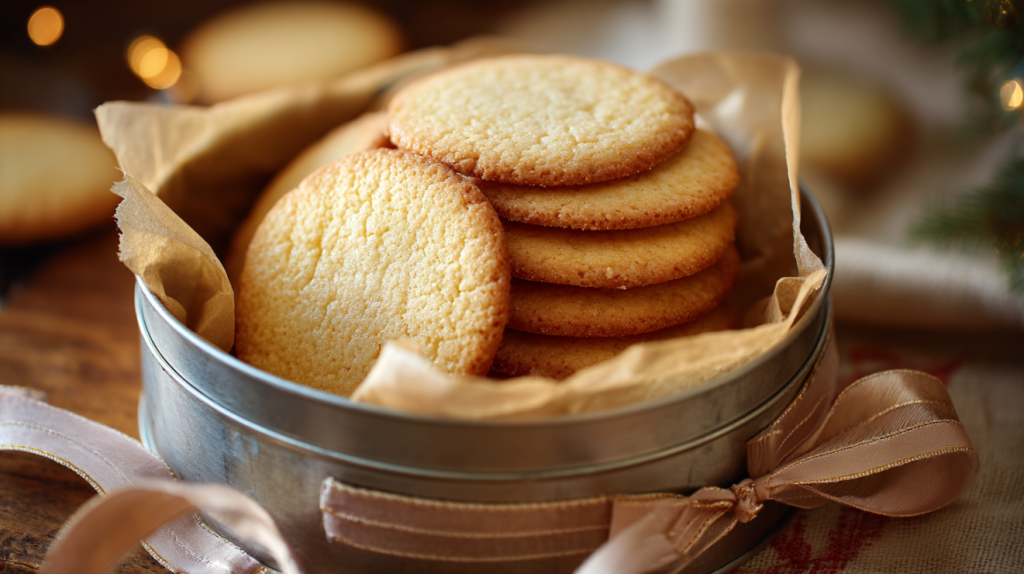
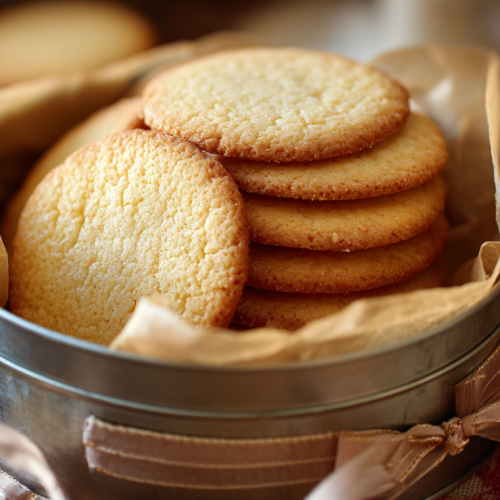
At room temperature, these cookies will keep in an airtight container for up to a week — though in my experience they rarely last past three days. Layer them between sheets of parchment or wax paper so they do not stick together. A tin with a tight-fitting lid works better than a plastic container because the tin holds up to the slight moisture these cookies release as they settle.
For longer storage, they freeze beautifully. Spread the cooled cookies in a single layer on a baking sheet and freeze until solid, then transfer them to a zip-top freezer bag with parchment between layers. They will keep for up to three months. To thaw, just set them on the counter for about fifteen minutes — they come back to life almost exactly the way they were the day you baked them.
You can also freeze the dough itself, which I actually prefer. Shape the dough into a log, wrap it tightly, and freeze. When you want fresh cookies, slice the frozen log into rounds and bake them straight from frozen — just add two or three extra minutes to the bake time. There is something truly satisfying about having fresh-baked butter cookies ready in under twenty minutes on a moment’s notice.
Clever Ways to Use Leftover Butter Cookies
Butter Cookie Crumb Crust
Crush about two cups of cookies into fine crumbs, mix with three tablespoons of melted butter, and press into a pie pan. Bake at 350°F for eight minutes and you have a crust that puts any store-bought graham cracker crust to shame. This is especially good under a banana cream or key lime filling.
Cookie Crumble Ice Cream Topping
Break the cookies into rough chunks and scatter them over vanilla or butter pecan ice cream. The contrast between the cold, creamy ice cream and the crisp, buttery cookie is one of those combinations that is greater than the sum of its parts.
Butter Cookie Trifle Layers
Layer broken cookies with vanilla pudding, fresh berries, and whipped cream in a glass dish for a quick trifle that looks impressive and takes almost no effort. The cookies soften just enough to absorb the pudding without turning to mush.
Butter Cookie Cheesecake Base
Use the crumb crust method above as the base for a cheesecake. The rich butter cookie base complements a classic vanilla cheesecake in a way that a standard graham cracker crust simply cannot match.
Old-Fashioned Butter Cookie Recipe
Equipment
- Stand Mixer or Hand Mixer
- Baking Sheet
- Parchment Paper
- Wire cooling rack
- Cookie Scoop or Spoon
Ingredients
Cookie Dough
- 1 cup unsalted butter room temperature
- 3/4 cup granulated sugar
- 1/4 cup powdered sugar
- 1 large egg
- 2 tsp pure vanilla extract
- 1/2 tsp almond extract optional
- 2 1/2 cups all-purpose flour
- 1/2 tsp baking powder
- 1/4 tsp fine sea salt
Instructions
Prepare the Dough
- In a large bowl, beat the room-temperature butter on medium speed until smooth and creamy, about 1-2 minutes.
- Add the granulated sugar and powdered sugar and beat on medium-high until light and fluffy, about 3 minutes. Scrape down the sides of the bowl as needed.
- Beat in the egg, vanilla extract, and almond extract (if using) until fully combined.
- In a separate bowl, whisk together the flour, baking powder, and salt. Add the dry ingredients to the butter mixture in two additions, mixing on low speed just until the dough comes together. Do not overmix.
Chill the Dough
- Wrap the dough tightly in plastic wrap, flatten into a disc, and refrigerate for at least 30 minutes.
Shape and Bake
- Preheat your oven to 350°F (175°C). Line baking sheets with parchment paper.
- Roll the dough into 1-inch balls and place them 2 inches apart on the prepared baking sheets. Gently flatten each ball with the bottom of a glass or your palm to about 1/4-inch thick.
- Bake for 10-12 minutes, or until the edges are just barely golden. The centers will look slightly underdone — that is exactly right.
- Let the cookies cool on the baking sheet for 5 minutes, then transfer to a wire rack to cool completely.
Nutrition
Rate This Recipe
Share This Recipe With The Ones You Love!Everything You Might Be Wondering About Butter Cookies
Can I make butter cookie dough ahead of time?
Absolutely. The dough keeps in the refrigerator for up to three days and in the freezer for up to three months. In fact, a rest in the refrigerator actually improves the flavor — the ingredients have time to meld together and the butter flavor deepens.
Why are my butter cookies spreading too much?
Nine times out of ten, this means your butter was too warm when you mixed the dough, or you did not chill the dough long enough before baking. It can also happen if your oven runs a little cool. Check your oven temperature with a separate thermometer.
How do I know when butter cookies are done baking?
Look at the edges. When the very outer rim of the cookie turns a pale straw gold and the center still looks slightly soft and just barely set, they are ready. Pull them out even though they look underdone — they will firm up on the pan as they cool.
Can I use salted butter instead of unsalted?
You can, but reduce the added salt to just a tiny pinch. Salted butter varies quite a bit between brands, so your cookies may taste slightly different each time. I always recommend unsalted for baking because it gives you full control.
Why do some butter cookie recipes use powdered sugar?
Powdered sugar contains a small amount of cornstarch, which keeps the cookies tender and gives them that delicate, almost melt-in-your-mouth quality. Using a blend of granulated and powdered sugar — the way this recipe does — gives you the best of both worlds: crisp edges and a tender center.
Can I decorate these butter cookies with icing?
They take beautifully to a simple glaze or royal icing. Let the cookies cool completely first, then drizzle or dip. For holiday cookies, you can roll the dough out and use cookie cutters, then ice them after baking. Just add an extra tablespoon of flour if rolling — the dough needs to be a touch firmer to hold cut shapes.
What makes these different from shortbread?
Shortbread traditionally uses no eggs and no leavening — it relies entirely on butter, sugar, and flour. This butter cookie recipe includes an egg for richness and a touch of baking powder for a slightly lighter texture. The result is a cookie that is similar in spirit to shortbread but a little more forgiving and a little more versatile.
Go Ahead — Make a Batch and See for Yourself
There is a reason the simplest recipes are often the ones that stick around the longest. This butter cookie recipe does not ask for anything fancy or hard to find. It asks for good butter, a little patience, and the willingness to trust the process. That is all it has ever needed, and that is all it will ever need.
I hope you make these soon — and when you do, I hope you will come back and tell me how they turned out. Whether you go with the classic version or try one of the variations, I know they are going to earn a permanent spot in your kitchen. That is what a good butter cookie does. It moves in and never leaves.

This brings back fond memories, makes a truly great southern treat!