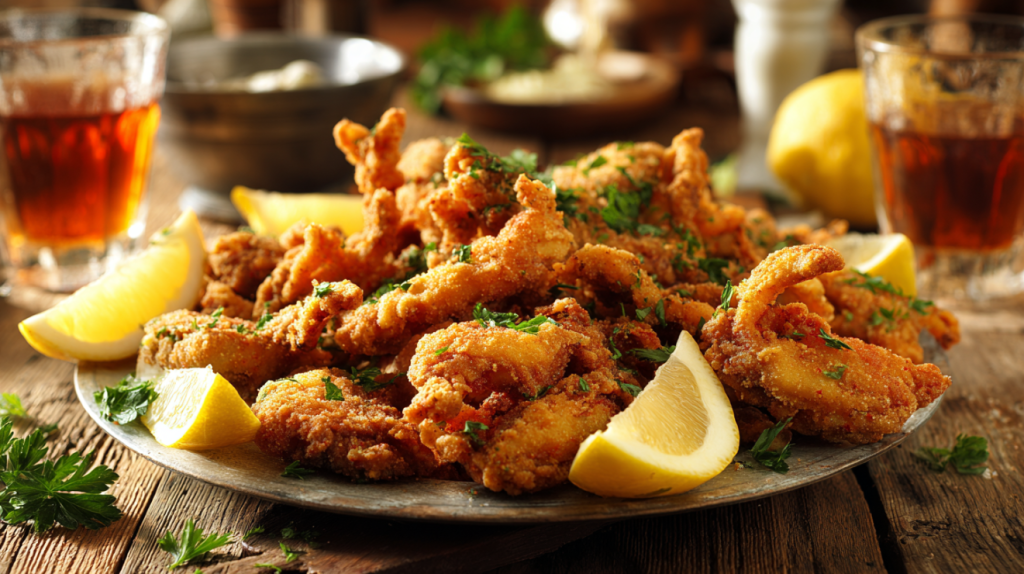
Buttermilk fried bullfrog legs are one of the most underrated dishes in all of Southern cooking, and once you taste that shatteringly crispy crust giving way to sweet, tender meat, you will wonder why you waited so long to make them. This article gives you everything you need to fry bullfrog legs with confidence — from the buttermilk soak that makes all the difference to the exact moment you pull them from the oil.
If you have ever tried frog legs at a restaurant and thought they were good but not great, the problem was almost certainly the preparation. Too many people treat frog legs like an afterthought — a quick dredge, a splash of oil, and out they come, pale and soggy. That is not what we are doing here. This recipe walks you through the method I have used for decades, the one that makes people who swore they would never eat a frog leg come back for seconds and thirds.
Whether you caught them yourself on a warm summer night or picked them up fresh from the market, this is the recipe that does them justice.
Why Buttermilk Fried Bullfrog Legs Deserve a Place at Your Table
Frog legs have been on Southern tables for as long as anyone can remember. Long before they showed up on fancy restaurant menus with French names, country families were gigging bullfrogs along creek banks and pond edges on summer nights, bringing home a sack full, and frying them up before the dew settled. It was never about being exotic. It was about eating what the land and water provided.
My grandfather taught me to gig bullfrogs when I was barely tall enough to carry the lantern. We would wade along the edges of the pond after dark, the bullfrogs bellowing so loud you could barely hear yourself think. He would gig them, and I would hold the bag. By the time we got back to the house, my grandmother already had the oil heating and the flour laid out. That is where I learned that the best food often comes from the simplest places.
The meat on a bullfrog leg is mild, clean, and just slightly sweet — somewhere between the delicacy of fresh catfish and the tenderness of the best chicken thigh you have ever had. It takes to buttermilk and seasoned flour like it was made for it, which, as far as I am concerned, it was. If you have never tried it, I am telling you now — this is one of those dishes that earns a permanent spot on the table once people taste it. You can find even more old-fashioned techniques and traditions across The Complete Guide to Southern Cooking: Techniques, Traditions & Time-Tested Wisdom, where I share the methods that built this kind of cooking.
The Ingredients That Make This Buttermilk Fried Bullfrog Legs Recipe Work
The buttermilk is doing the heavy lifting in this recipe, and it is not optional. When those frog legs sit in that tangy, seasoned buttermilk soak, two things happen. First, the acid in the buttermilk gently tenderizes the meat, breaking down just enough of the protein to keep every bite juicy and soft. Second, the buttermilk gives the flour something to grab onto, which is how you get that thick, craggy crust that fries up golden and stays put. If you skip the soak, your dredge slides right off in the oil and you end up with bare, sad-looking legs. I have covered why buttermilk matters so much in Southern cooking in Buttermilk: The Southern Secret Weapon — it is worth understanding the science behind it.
The hot sauce in the buttermilk is not about making these legs spicy. A tablespoon of Crystal or Louisiana hot sauce adds a depth of flavor that rounds everything out. You will not taste heat — you will taste a richness that you cannot quite put your finger on. That is the hot sauce doing its quiet work.
For the dredge, I use all-purpose flour mixed with a good measure of cornstarch. The cornstarch is the secret to that extra crunch. Plain flour alone gives you a good coating, but cornstarch lightens the texture and makes the crust shatter when you bite into it. Seasoned salt, paprika, garlic powder, onion powder, and just a touch of cayenne round out the dredge. Every ingredient earns its place — nothing is there for show.
Oils & Substitutions
The frying oil matters, too. Peanut oil is my first choice because it can take the heat without smoking and it has a clean, neutral flavor that lets the seasoning come through. Vegetable oil works fine if peanut oil is not available or if allergies are a concern, but stay away from olive oil or anything with a low smoke point.
Here is a quick substitution guide if you need to make swaps:
- Buttermilk: Mix 2 cups of whole milk with 2 tablespoons of white vinegar. Let it sit for 10 minutes. It works, but real buttermilk gives better tang and cling.
- Peanut oil: Vegetable oil or canola oil are the best alternatives. Avoid anything with a strong flavor.
- Cornstarch: Rice flour gives a similar crunch. Regular flour alone will still work, just with a slightly softer crust.
- Hot sauce: A pinch of cayenne stirred into the buttermilk can stand in, though you lose the vinegar tang the hot sauce provides.
How to Fry Bullfrog Legs Until They Are Golden and Perfect
This is where I stand right next to you at the stove and walk you through every detail. The recipe card gives you the steps, but these instructions tell you what to watch for, what to listen for, and how to know things are going right.
Cleaning and Preparing the Legs
Start by giving the bullfrog legs a good rinse under cold running water. Run your fingers along the meat and feel for any small bone fragments or bits of membrane that need to come off. Pat them completely dry with paper towels — and I mean completely. Any moisture left on the surface fights against the seasoning sticking and causes the oil to spit when you start frying.
Season the legs on all sides with kosher salt and black pepper. This is your base seasoning, the layer that goes directly on the meat before anything else. Do not skip it. The buttermilk soak adds flavor to the coating, but this initial seasoning is what flavors the meat itself.
The Buttermilk Soak
Whisk together the buttermilk, hot sauce, garlic powder, and cayenne in a bowl large enough to hold all the legs without stacking them too tight. You want every leg surrounded by that seasoned buttermilk. Lay them in, give the bowl a gentle shake to settle everything, cover it tightly, and slide it into the refrigerator.
Two hours is the minimum. Overnight is what I recommend. The difference between two hours and overnight is real — the meat gets noticeably more tender and the flavor goes all the way through instead of sitting on the surface. I know it requires planning ahead, but it is the kind of planning that pays off the moment you take that first bite.
Building the Dredge
Whisk the flour, cornstarch, and all the seasonings together in a wide, shallow bowl. I use a pie plate — it gives you room to roll the legs and press the flour into every curve without making a mess. Make sure the seasonings are evenly distributed. If you see pockets of paprika or cayenne clumped together, keep whisking. An uneven dredge means uneven flavor.
The technique for getting the best coating takes a little patience. Pull a leg from the buttermilk and let the excess drip off for three or four seconds — not longer, or you lose too much. Then press it firmly into the flour. Do not just drop it in and flip it. Use your fingers to push the flour into the nooks around the joints and the underside of the leg where the coating tends to be thinnest. If you are not sure about your dredging technique, I go into the full method in The Wet-Hand, Dry-Hand Method: Breading Techniques for Perfect Frying — it keeps your fingers from turning into battered clubs.
Once they are all dredged, set them on a wire rack and let them rest for five full minutes. This is not a suggestion. That rest lets the flour hydrate and bond with the buttermilk, creating a seal that will not flake off the second it hits hot oil. If you try to rush this step, you will lose half your coating in the skillet.
Getting the Oil Right
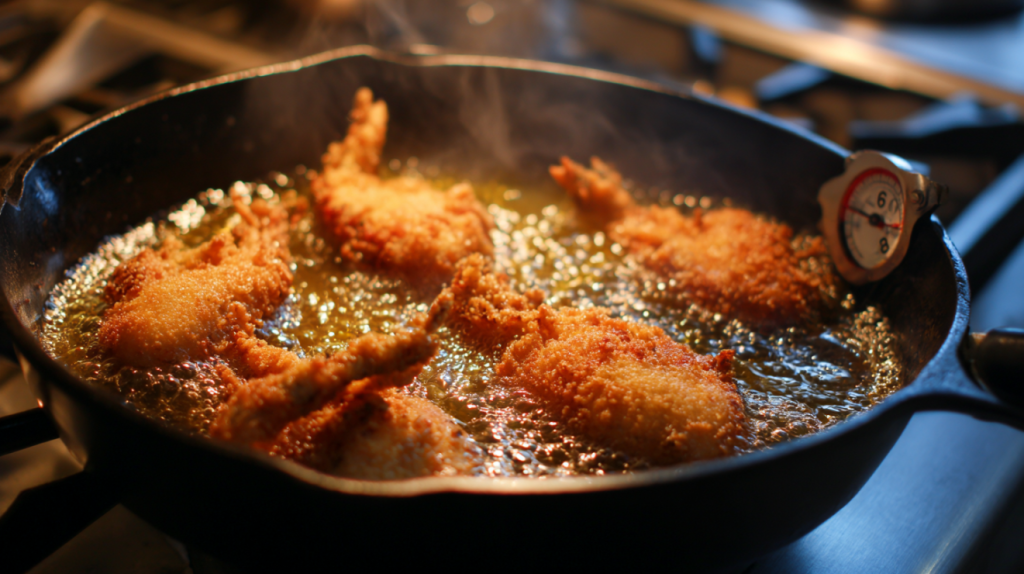
Pour your oil into a heavy cast iron skillet or Dutch oven to about two inches deep. Heat it over medium-high heat and clip your thermometer to the side. You are aiming for 350°F, and you need to be patient getting there. If you crank the heat to rush it, the oil overshoots and you will burn the outside before the inside cooks through. If you love cast iron cooking as much as I do, you will appreciate the tips in Cast Iron Cooking: The Southern Way for getting the most out of your skillet.
Here is how to know the oil is ready without a thermometer, though I always recommend using one. Drop a pinch of flour into the oil. If it sinks to the bottom and just sits there, the oil is not hot enough yet if it sizzles immediately, floats to the top, and starts to brown within a few seconds, you are in the right range. If it turns dark brown instantly, the oil is too hot — pull it off the heat for a minute and let it settle.
For a good understanding of frying safety and oil temperature guidelines, the USDA guidelines on safe frying temperatures are a reliable reference to keep in mind.
Frying to Golden Perfection
Lower the legs into the oil gently, away from you, using tongs or a spider strainer. Do not drop them — you will splash hot oil on yourself and on your stovetop. Four or five legs at a time is plenty. Crowding the skillet drops the oil temperature fast, and when the temperature drops, the coating absorbs oil instead of crisping up. That is how you get greasy, heavy frog legs instead of light, crunchy ones.
Once the legs go in, listen. You should hear a steady, vigorous sizzle — not a gentle bubbling, not a roaring pop. A steady sizzle means the oil is doing its job. If the sizzle dies down, your oil got too cool. If it starts popping and spitting aggressively, it is too hot. Adjust the flame as you go to keep that steady sound.
Fry for four to five minutes on the first side. Resist the urge to move them around. Let the crust set and develop color. When you see the edges turning a rich, warm gold and the coating looks set and firm, that is when you turn them. Use tongs or a spider to flip them gently. The other side takes another four to five minutes.
Done And Delicious!
When they are done, the crust will be deep golden brown — not pale gold, not dark brown. Think about the color of a good biscuit fresh from the oven, just a shade deeper than that. The meat at the thickest point should register 165°F on an instant-read thermometer. If you want to learn more about reading temperatures and knowing when meat is truly done, I cover that thoroughly in How to Tell When Meat Is Done: Thermometer vs. Visual Cues.
Transfer each batch to a wire rack set over a sheet pan — never to a plate lined with paper towels. I know paper towels seem like the right call, but the bottom of the legs will steam against the towels and turn soft. A wire rack lets air circulate on all sides and keeps every leg as crispy as the moment it left the oil.
What to Serve With Buttermilk Fried Bullfrog Legs
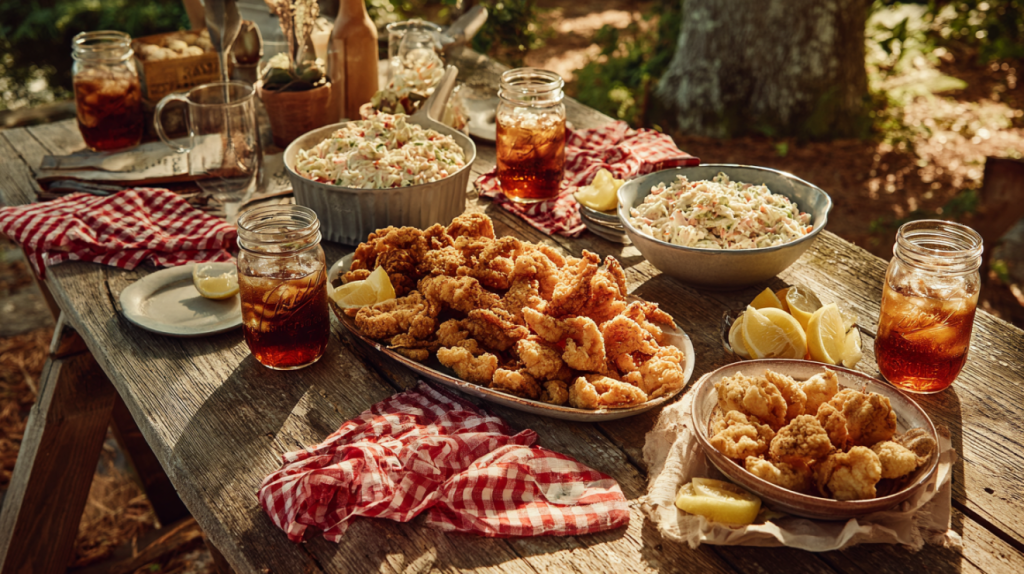
These legs shine at the center of a plate the same way fried chicken or fried catfish does — surrounded by the kind of sides that make a Southern meal feel complete. A big scoop of creamy coleslaw balances the richness of the fried crust. Lemon wedges on the side are not optional in my kitchen — a squeeze of fresh lemon right before you take a bite cuts through the fat and lifts every flavor on the plate.
For sides, think about what makes you happy at a fish fry. Hushpuppies are a natural fit, and if you want to make them from scratch, I have a full tutorial in How to Make Hushpuppies From Scratch. Potato salad, pickled okra, sliced tomatoes from the garden, and a cold glass of sweet tea round things out perfectly. If you want something green, fried okra or a simple cucumber salad works beautifully alongside.
These are perfect for a summer cookout, a fish fry with friends, or a Saturday night supper when you want something a little different on the table. Set them out on a big platter with plenty of lemon wedges and a bowl of remoulade or tartar sauce and watch them disappear.
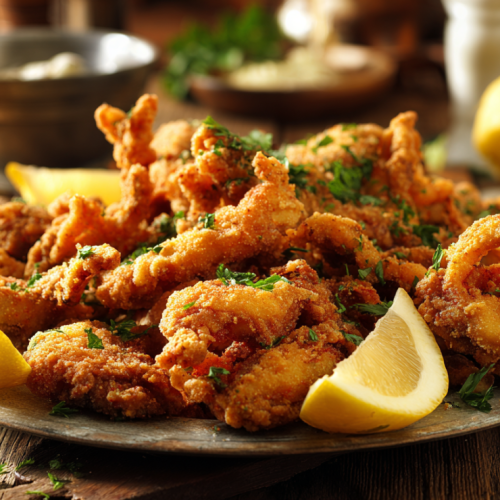
Buttermilk Fried Bullfrog Legs
Equipment
- Large cast iron skillet or Dutch oven
- Deep-fry or candy thermometer
- Wire cooling rack set over a sheet pan
- Large mixing bowl
- Paper towels
- Tongs or spider strainer
Ingredients
Bullfrog Legs
- 3 lb bullfrog legs cleaned and separated into pairs, about 12-14 legs
- 2 tsp kosher salt for initial seasoning
- 1 tsp black pepper freshly ground
Buttermilk Soak
- 2 cup whole buttermilk
- 1 tbsp hot sauce Crystal or Louisiana brand preferred
- 1 tsp garlic powder
- 0.5 tsp cayenne pepper
Seasoned Dredge
- 2 cup all-purpose flour
- 0.5 cup cornstarch
- 1 tbsp seasoned salt
- 1 tsp paprika
- 1 tsp garlic powder
- 0.5 tsp onion powder
- 0.5 tsp black pepper
- 0.25 tsp cayenne pepper adjust to taste
For Frying
- 4 cup peanut oil or vegetable oil enough for 2 inches of oil in your skillet
Instructions
Prepare and Soak the Frog Legs
- Rinse the bullfrog legs under cold water and pat them completely dry with paper towels. Season them all over with kosher salt and black pepper.
- In a large bowl, whisk together the buttermilk, hot sauce, garlic powder, and cayenne pepper. Add the seasoned frog legs, making sure they are fully submerged. Cover and refrigerate for at least 2 hours, or overnight for the best results.
Set Up the Dredge and Heat the Oil
- In a wide, shallow bowl, whisk together the flour, cornstarch, seasoned salt, paprika, garlic powder, onion powder, black pepper, and cayenne pepper until evenly combined.
- Pour the oil into a large cast iron skillet or Dutch oven to a depth of about 2 inches. Heat over medium-high heat until the oil reaches 350°F (175°C). Use a deep-fry thermometer to monitor the temperature.
Dredge and Fry
- Pull each frog leg from the buttermilk, letting excess drip off for a few seconds. Press the leg firmly into the seasoned flour mixture, turning to coat all sides. Shake off the excess flour and place on a wire rack. Repeat with all legs and let them rest for 5 minutes before frying.
- Working in batches of 4-5 legs to avoid crowding, carefully lower the dredged frog legs into the hot oil. Fry for 4-5 minutes per side, turning once, until the crust is deep golden brown and the internal temperature reaches 165°F (74°C).
- Transfer the fried legs to a wire rack set over a sheet pan and season immediately with a light sprinkle of salt. Allow the oil to return to 350°F before frying the next batch.
- Serve hot with lemon wedges and your favorite dipping sauce.
Nutrition
Rate This Recipe
Share This Recipe With The Ones You Love!Ways to Change Up This Fried Bullfrog Legs Recipe
Cajun-Spiced Bullfrog Legs
Add two teaspoons of Cajun seasoning to the dredge and a teaspoon of smoked paprika. This gives the crust a warm, peppery kick with a little smokiness underneath. My son-in-law requests this version every time he comes over, and I have never seen him leave a single one on the plate. The Cajun spice works with the buttermilk soak instead of against it.
Garlic-Herb Fried Bullfrog Legs
Toss the hot fried legs in a bowl with two tablespoons of melted butter, a tablespoon of minced fresh parsley, and a teaspoon of garlic that has been finely grated on a microplane. The butter hits the hot crust and carries all that garlic and herb flavor right into the coating. This version tastes almost like the best garlic bread you have ever had, except it is a frog leg.
Lemon Pepper Fried Bullfrog Legs
Replace the paprika and cayenne in the dredge with two tablespoons of fresh lemon zest and a full tablespoon of cracked black pepper. Finish them with another light shower of lemon pepper seasoning the moment they come out of the oil. This is a bright, punchy variation that my grandchildren love, especially in the summer when everything else on the table is heavy.
Cornmeal-Crusted Bullfrog Legs
Swap half the flour in the dredge for fine yellow cornmeal. This gives the crust a grittier, more rustic texture — closer to the way you would dredge catfish for a fish fry. It is a heartier coating that stands up well to heavier dipping sauces like comeback sauce or spicy remoulade. This is the version I reach for when I am frying frog legs alongside a batch of catfish, since they can share the same dredge.
Storing, Reheating, and Making Ahead
Leftover fried bullfrog legs keep well in the refrigerator for up to three days in an airtight container. Place a sheet of paper towel between layers to absorb any moisture that builds up — that moisture is what turns a crispy coating soggy overnight.
To reheat, the oven is your best friend. Preheat to 375°F, spread the legs out on a wire rack set over a sheet pan (just like when they first came out of the oil), and heat for 10-12 minutes until the crust is crispy again and the meat is warmed through. The air fryer also works well at 375°F for about 6-8 minutes. Do not use the microwave — it turns the coating into leather.
For make-ahead, you can complete the buttermilk soak up to 24 hours in advance and leave the legs in the refrigerator. You can also dredge them and hold them on a wire rack in the fridge for up to two hours before frying. Beyond that, the coating starts to get gummy. I do not recommend freezing these after frying. The crust never comes back the same way. If you want to freeze frog legs, freeze them raw before the buttermilk soak, and thaw them in the refrigerator overnight before starting the recipe fresh. For more detail on the best ways to handle fried foods after cooking, I cover the full method in How to Reheat Southern Classics: Fried Chicken, Biscuits, Mac & Cheese.
Clever Ways to Use Leftover Buttermilk Fried Bullfrog Legs
Frog Leg Po’Boy
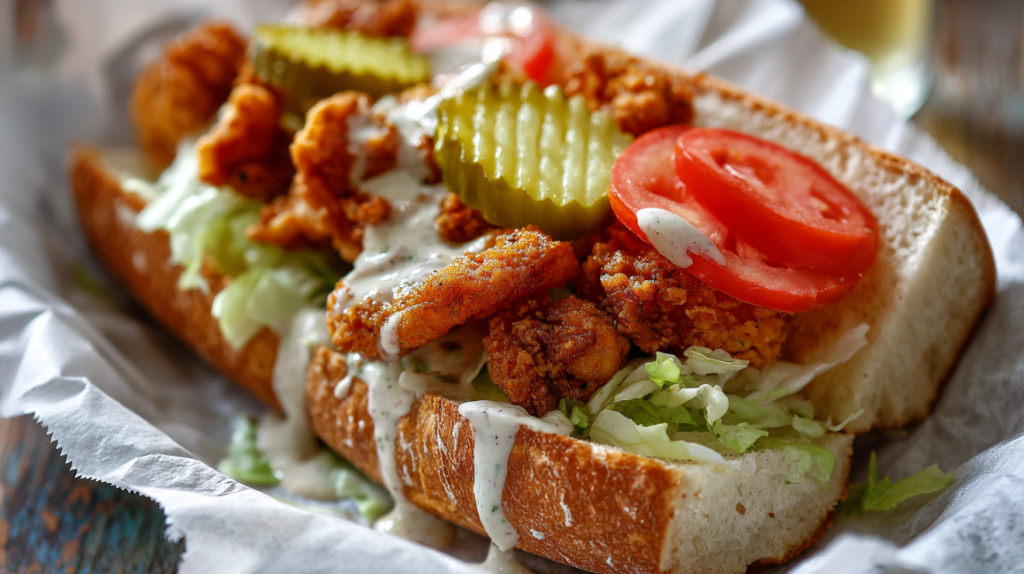
Warm up a few leftover legs in the oven until the crust crisps back up, then nestle them into a split French bread roll with shredded lettuce, sliced tomato, pickles, and a generous spread of remoulade sauce. This is one of the best sandwiches you will ever eat, and nobody will believe it started as last night’s leftovers.
Fried Frog Leg Salad
Pull the meat off the bones in large pieces and lay it over a bed of peppery arugula or mixed greens. Toss with a simple lemon vinaigrette, shaved Parmesan, and a handful of cherry tomatoes. The warm, crispy frog leg meat against the cool, dressed greens makes a lunch that feels both indulgent and light.
Frog Leg Tacos
Strip the meat from the bones, warm it in a dry skillet for a minute, and pile it into soft corn tortillas with pickled onions, a drizzle of crema, and a squeeze of lime. A little hot sauce on top, and you have a taco filling that will surprise everyone at the table.
[WP RECIPE MAKER CARD GOES HERE]Everything You Want to Know About Frying Bullfrog Legs
Do bullfrog legs really taste like chicken?
They are in the same family of flavor, but the comparison does not quite do them justice. The meat is lighter and slightly sweeter than chicken, with a delicate texture closer to the white meat on a fresh catfish fillet. If you enjoy fried chicken, you will love these — but they have their own character.
Can I use regular frog legs instead of bullfrog legs?
Absolutely. Regular frog legs from the grocery store or market work perfectly with this recipe. They are smaller than bullfrog legs, so reduce the frying time by about a minute per side and watch them closely. The buttermilk soak and dredge work exactly the same way regardless of size.
How long should I soak the frog legs in buttermilk?
Two hours is the minimum for the buttermilk to do its work — tenderizing the meat and helping the dredge stick. Overnight is the sweet spot. I have soaked them for up to 24 hours without any issues. Beyond that, the acid can start to break down the texture too much.
What oil is best for frying bullfrog legs?
Peanut oil is the best choice for its high smoke point and clean flavor. Vegetable oil and canola oil are solid alternatives. Avoid olive oil, coconut oil, or any oil with a strong flavor or low smoke point. You need the oil to reach and hold at 350°F without smoking. The USDA safe minimum cooking temperatures guide is a good resource for understanding safe internal temperatures for all types of meat.
Why did my coating fall off in the oil?
There are three common reasons. First, the legs were not dry enough before going into the buttermilk. Second, too much buttermilk was left on before dredging — let the excess drip off. Third, and most common, the dredged legs were not rested before frying. That five-minute rest on the wire rack is what locks the coating in place.
Can I air fry these instead of deep frying?
You can, and they come out well. Spray the dredged legs generously with cooking spray, arrange them in a single layer in the air fryer basket, and cook at 400°F for 12-14 minutes, flipping halfway through. The crust will not be quite as thick or craggy as deep-fried, but the flavor is excellent and the cleanup is a lot easier.
Where can I buy bullfrog legs?
Many well-stocked grocery stores carry frog legs in the frozen seafood section. Asian markets are another reliable source, often with better prices and fresher stock. If you are in an area where gigging is legal and in season, catching your own is the best option of all — just check your local regulations first.
Go On and Fry Up a Batch
There is something deeply satisfying about making buttermilk fried bullfrog legs from start to finish — from the quiet patience of the buttermilk soak to the sizzle of the oil to that first bite through the golden crust. This is not complicated food. It is not fancy food. It is the kind of food that brings people to the table and keeps them talking long after the last leg is gone.
You have everything you need right here to make this recipe with confidence. Trust the buttermilk, trust the process, and do not rush a single step. When you pull that first batch out of the oil and see that deep, even gold and hear that crunch when you bite in, you will know you did it right. I would love to hear how your batch turns out — come back and leave a note below.