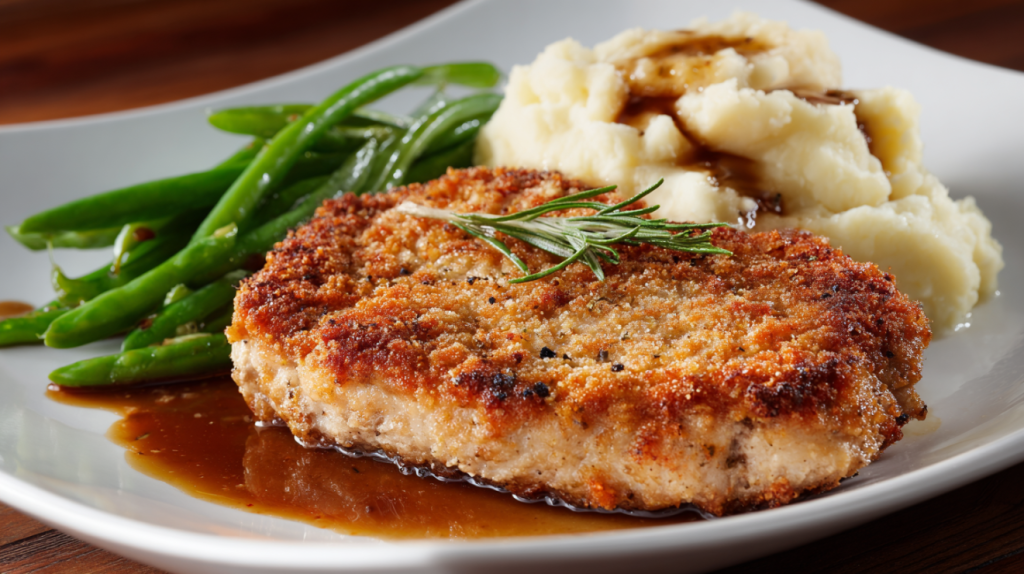
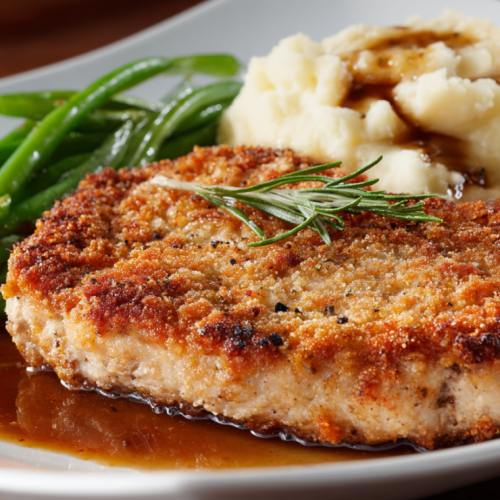
There is nothing on this earth quite like a thin, golden, perfectly fried pork cutlet — crispy on the outside, juicy and tender on the inside, and ready on your plate in less than thirty minutes. This pork cutlets recipe is the kind of meal that built Southern suppers for generations, and once you learn how to make it right, you will come back to it again and again.
If your pork cutlets have been turning out tough, dry, or with a coating that falls right off, you are not alone. Those are the most common frustrations I hear, and every single one of them has a simple fix. This article walks you through the whole process — from picking the right cut to getting that crust so crispy it crunches when you cut into it. By the time you are done reading, you will make pork cutlets with real confidence.
This is one of those recipes I have been making since I was old enough to stand at the stove with a fork in my hand. My mother made it, her mother made it, and now I am going to walk you through it the same way it was shown to me — step by step, with everything you need to know and nothing you do not.
Where Pork Cutlets Earned Their Place on the Southern Table
Pork cutlets have been a fixture of Southern cooking for as long as anyone I know can remember. In homes where the hog was butchered every fall and every cut had to be used, a thick pork loin would get sliced thin, pounded flat, and fried up quick for supper. It was never a fancy dish — it was Tuesday night food, the kind of meal that fed a family without fuss.
What makes this dish so enduring is its simplicity. You do not need exotic ingredients or a culinary degree. You need good pork, seasoned flour, a hot skillet, and a little patience. That is it. The magic is in the technique — in knowing how thin to pound the meat, when the oil is actually ready, and when to leave the cutlet alone and let it do its work.
My mother always said that a good pork cutlet was the test of whether someone could really cook. Not because it is hard, but because it punishes you if you rush. You cannot skip the pounding. You cannot skip the resting. You cannot crowd the pan and expect anything good to happen. Every step matters, and every step is easy if you know what to look for. I cover the foundations of this kind of cooking in The Complete Guide to Southern Cooking: Techniques, Traditions & Time-Tested Wisdom, and this recipe is a perfect place to start putting those foundations to work.
What Makes This Pork Cutlets Recipe Work
The first thing that matters is the cut of pork. Boneless pork loin is what I reach for every time. It is lean, it slices clean, and it pounds out thin without tearing. Some people use boneless pork chops, and those will work, but they tend to be cut thicker and can be uneven. Pork tenderloin is another option — it is more tender, but the pieces are smaller and cook faster, so you need to adjust your timing.
The buttermilk soak is not optional if you want the best results. It serves two purposes — it tenderizes the meat and gives the flour something to grip. A splash of hot sauce in the buttermilk is not about making the cutlets spicy. It is about adding a layer of flavor that you cannot quite put your finger on but would absolutely miss if it was not there. I talk about why buttermilk does so much heavy lifting in Southern kitchens in Buttermilk: The Southern Secret Weapon — it is worth understanding.
For the dredge, plain all-purpose flour is the foundation. I season it with salt, black pepper, garlic powder, paprika, onion powder, and just a whisper of cayenne. The seasoning should be in the flour, not on the meat after cooking. That way every bite has flavor all the way through the crust, not just on the surface.
The fat you fry in makes a difference. Lard gives you the most authentic flavor and the crispiest crust. Vegetable oil works perfectly well and is what I use most weeknights. If you want to understand how different fats behave and which ones are best for frying, I go deep on that subject in The Three Essential Southern Fats: Bacon Grease, Lard, and Butter.
Here is a quick guide for substitutions if you need them:
- No buttermilk? Stir one tablespoon of white vinegar into one cup of whole milk and let it sit for ten minutes.
- No lard? Vegetable oil, peanut oil, or shortening all work well for pan-frying.
- No pork loin? Boneless center-cut pork chops or pork tenderloin (cut thicker medallions from the tenderloin and pound flat).
- Need gluten-free? A blend of rice flour and cornstarch produces a good, crispy crust — not identical, but still satisfying.
How to Make Pork Cutlets That Come Out Perfect Every Time
Slicing and Pounding the Pork
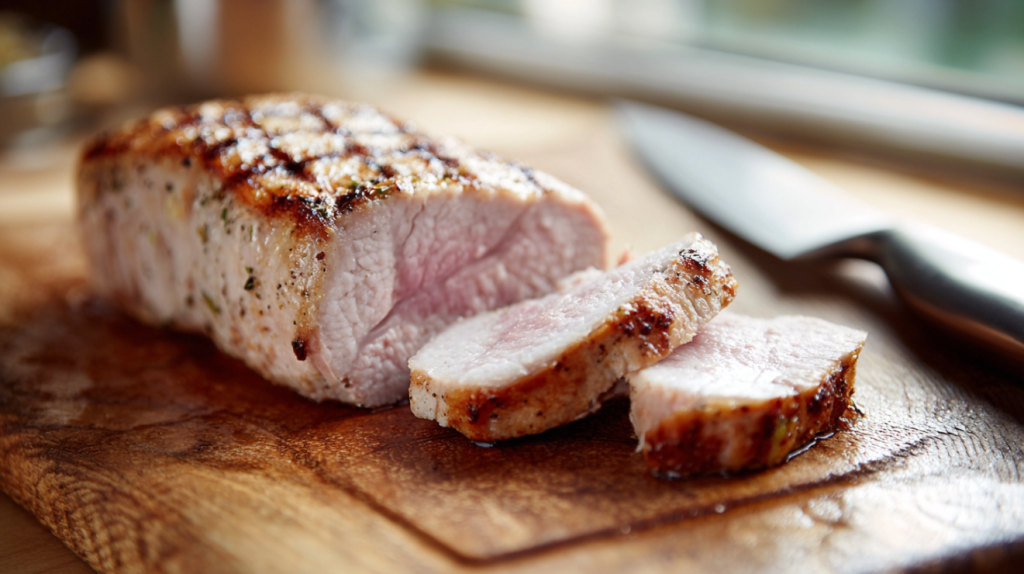
Start with a whole boneless pork loin and a sharp knife. Slice crosswise into pieces about half an inch thick. You want them even — if one end is thicker than the other, you will end up with a cutlet that is overcooked on one side and underdone on the other.
Once they are sliced, lay each cutlet between two sheets of plastic wrap or wax paper. Take your meat mallet — or a rolling pin if you do not have one — and pound each piece to about a quarter inch thick. Use even, firm strokes, working from the center outward. You should feel the meat spread and flatten under the mallet. Do not beat it to death. Firm and steady gets you where you need to be. When it is the right thickness, the cutlet should look almost translucent in spots and feel loose and pliable when you pick it up.
The Buttermilk Soak
Combine the buttermilk and hot sauce in a shallow bowl and whisk them together. Lay the cutlets in the buttermilk and turn them to coat. They do not need to soak for an hour — ten to fifteen minutes while you set up your dredge and heat the skillet is plenty. What you are after is a thin coating that clings to every surface of the meat.
Building the Dredge
In a separate shallow bowl or pie plate, whisk together the flour, salt, pepper, garlic powder, paprika, onion powder, and cayenne. Taste a tiny pinch of the seasoned flour — it should taste noticeably salty and well-spiced. If it tastes bland, add more salt. The flour is doing double duty here: it builds the crust and carries the seasoning. If you are interested in how breading techniques work and why this approach gives you better results, that is exactly what I cover in The Wet-Hand, Dry-Hand Method: Breading Techniques for Perfect Frying.
Lift each cutlet from the buttermilk and let the excess drip off for a second or two. Press the cutlet firmly into the seasoned flour, flip it, and press again. You want the flour packed on there — not a dusting, but a real coating. Shake off any loose flour that is just sitting on the surface, then set the cutlet on a wire rack. Once all the cutlets are dredged, let them rest for five minutes. Do not skip this.
Getting the Skillet Right
Pour about half a cup of oil or lard into a 12-inch cast iron skillet and set it over medium-high heat. If you are using a cast iron skillet for the first time or want to get the most out of it, I have a whole guide on that: Cast Iron Cooking: The Southern Way. Give the fat a solid four to five minutes to come up to temperature. You are looking for about 350°F. If you do not have a thermometer, drop a small pinch of flour into the oil. If it sizzles and floats immediately, you are there. If it just sinks to the bottom and sits, the oil is not hot enough. If it burns instantly, pull the skillet off the heat for a minute.
The sound will tell you a lot. When you lay a cutlet in the skillet, you should hear an aggressive, steady sizzle — not a roar and not a quiet hiss. That sizzle is the moisture in the coating hitting the hot fat and creating steam, and that steam is what keeps the oil on the outside of the crust instead of soaking in.
Frying to Golden Perfection
Lay two or three cutlets into the hot oil. Do not crowd the pan — if you put too many in at once, the oil temperature drops and the cutlets steam instead of fry. You will know this is happening because the sizzle gets quiet and the coating starts looking pale and greasy instead of golden and crisp.
Let each cutlet cook undisturbed for three to four minutes. Do not touch it. Do not peek under it. Do not move it around. When the bottom is ready, the cutlet will release from the skillet on its own. If you try to flip it and it sticks, it is not done yet — give it another thirty seconds. When you do flip it, you should see a deep, even golden brown on the underside. That color is the Maillard reaction at work, and it is where all that rich, toasty flavor lives.
Cook the second side for another three to four minutes until it matches the first. The internal temperature should reach 145°F. When you press the center of the cutlet gently with a fingertip, it should feel firm but still have just a little give — like the pad of your palm when you press your thumb to your index finger.
Resting and Serving
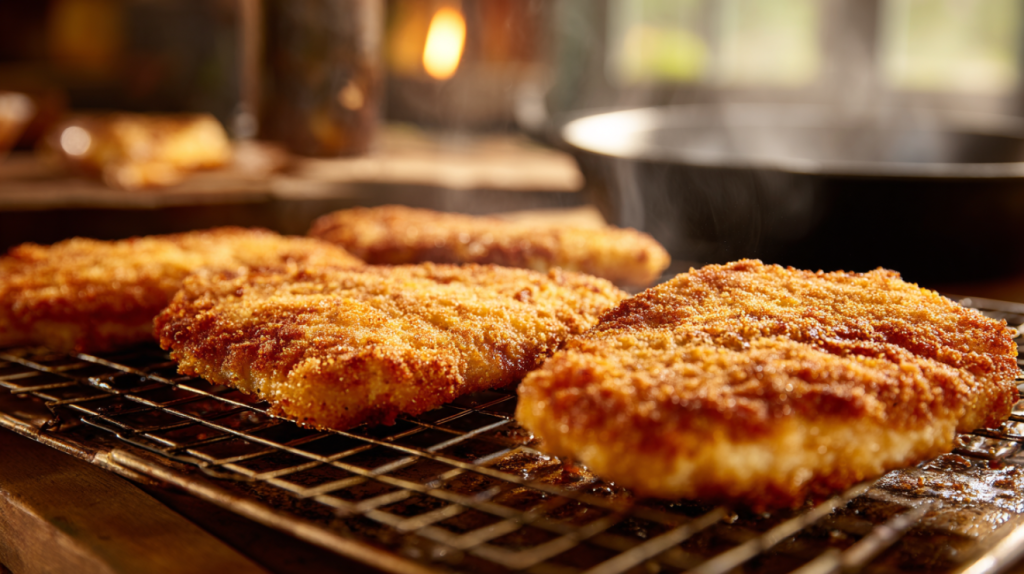
Transfer the finished cutlets to a wire rack set over a sheet pan — never to a plate lined with paper towels. Paper towels trap steam underneath and turn that beautiful crispy bottom into a soggy mess. Hit them with a tiny pinch of salt while they are still glistening. Let them rest for three to five minutes. This lets the juices inside redistribute and the crust finish crisping as the residual heat does its final work. For a deeper look at why resting matters so much, I explain the whole principle in A Guide to Carryover Cooking: Why You Should Rest Your Meat.
What to Serve Alongside Pork Cutlets
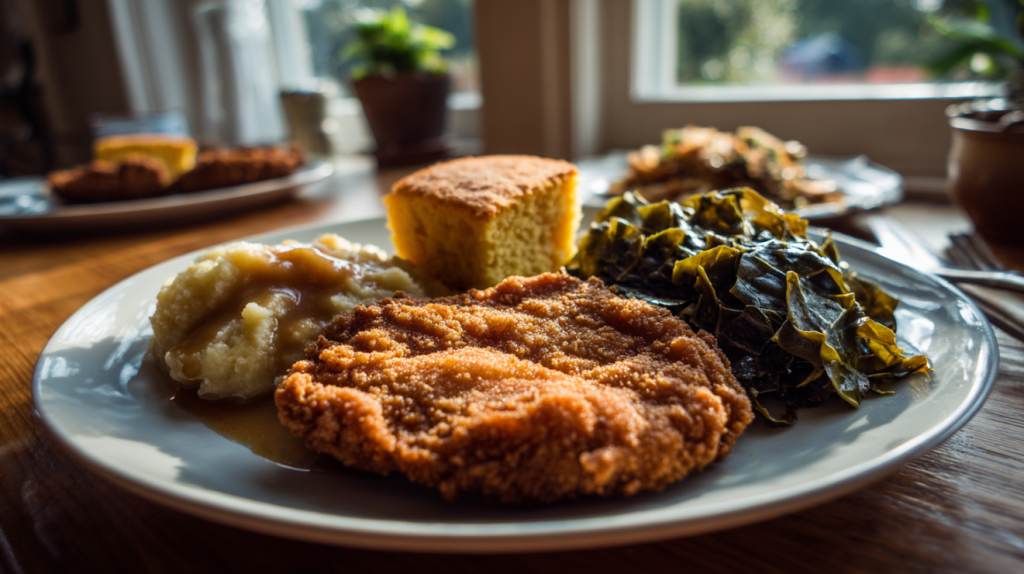
A pork cutlet is one of those dishes that plays well with almost anything, but there are a few pairings I come back to over and over because they just work. Creamy mashed potatoes are the natural partner — something about that crispy crust dragged through a pile of buttery potatoes is hard to beat. Add a spoonful of cream gravy on top and you have a plate that needs nothing else.
For vegetables, collard greens or green beans cooked low and slow with a ham hock bring the kind of depth that balances the richness of the fried cutlet. Fried okra or a simple tomato and cucumber salad with a little vinegar are wonderful in the summer months when you want something lighter on the plate.
For a Sunday dinner, set the cutlets alongside mac and cheese, a dish of candied yams, and a pan of hot cornbread. For a weeknight, keep it simple — rice and gravy, a quick salad, and some sliced tomatoes if they are in season. The gravy for this dish is straightforward, and if you have never made gravy from pan drippings before, I walk through every type in How to Make Perfect Gravy: Every Type.
Flavor Variations to Keep Things Interesting
Smothered Pork Cutlets
After frying the cutlets, pour off most of the oil but keep about two tablespoons of the drippings and browned bits in the skillet. Make a quick cream gravy right in the pan with flour, milk, salt, and pepper, then lay the cutlets back in the gravy, cover, and let them simmer on low for about fifteen minutes. The coating softens and absorbs that gravy, and the meat becomes impossibly tender. This is comfort food of the highest order.
Country-Fried Pork Cutlets with Sawmill Gravy
Follow the same method but use a thicker crust — dip in buttermilk and flour twice for a double coating. Serve with a peppery white sausage gravy ladled right over the top. This is the pork version of chicken-fried steak, and it is every bit as satisfying.
Cornmeal-Crusted Pork Cutlets
Replace half the flour in the dredge with fine-ground yellow cornmeal. The cornmeal gives the crust a grittier, crunchier texture and a slightly nutty flavor that pairs beautifully with the pork. This is the version I make most often in the summer when I am already pulling out the cornmeal for other things.
Spicy Cajun Pork Cutlets
Add a tablespoon of Cajun seasoning to the flour mixture and increase the cayenne to a full teaspoon. Double the hot sauce in the buttermilk soak. The result is a cutlet with some real heat behind it — not blistering, but enough to make you reach for your sweet tea.
How to Store, Reheat, and Make Pork Cutlets Ahead
Store leftover pork cutlets in an airtight container in the refrigerator for up to three days. Place a sheet of parchment or wax paper between each cutlet so they do not stick together and the coating does not get pulled off when you separate them.
For reheating, the oven is your best friend. Lay the cutlets on a wire rack set over a sheet pan and heat them in a 375°F oven for about ten minutes. This re-crisps the coating and warms the center through without drying the meat out. The air fryer also works well — four to five minutes at 375°F. Avoid the microwave at all costs. It turns the crust soft and rubbery and there is no recovering from that.
To make these ahead, you can dredge the cutlets in the seasoned flour and lay them on a sheet pan in the refrigerator for up to four hours before frying. The resting time in the refrigerator actually helps the coating set even better than the five-minute counter rest. If you want to freeze them after cooking, let them cool completely on a wire rack, then freeze in a single layer on a sheet pan before transferring to a freezer bag. They will keep for up to two months and reheat well straight from frozen in the oven at 400°F for about fifteen minutes.
Smart Ways to Use Leftover Pork Cutlets
Pork Cutlet Sandwich
This is the first thing I make with leftovers. Take a cold or reheated cutlet, lay it on a soft white bun or a thick slice of white bread, and top it with pickles, mustard, and a little shredded lettuce. It is the Southern version of a pork tenderloin sandwich, and it is outstanding.
Pork Cutlet and Egg Breakfast
Reheat a cutlet in the skillet, then fry an egg in the same pan. Stack it on a biscuit with a little cheese and hot sauce. This is the kind of breakfast that gets you through a whole morning of hard work without thinking twice about food.
Chopped Pork Cutlet Salad
Slice leftover cutlets into strips and lay them over a bed of mixed greens with tomatoes, cucumbers, boiled eggs, and a buttermilk dressing. The crispy pork strips act like croutons with more substance, and the whole thing comes together in five minutes.
Pork Cutlet Rice Bowl
Slice a reheated cutlet over a bowl of steamed rice. Drizzle with a quick gravy or a splash of soy sauce and hot sauce. Add some pickled vegetables on the side. It is a weeknight meal that uses up what you have and tastes like you planned it.
Southern Fried Pork Cutlets
Equipment
- 12-inch cast iron skillet
- Meat Mallet or Rolling Pin
- Shallow Bowl or Pie Plate
- Wire cooling rack
- Sheet Pan
- Instant-read thermometer
Ingredients
Pork Cutlets
- 2 lb boneless pork loin sliced into 1/2-inch cutlets
- 1 cup buttermilk
- 1 tsp hot sauce Crystal or Tabasco
Seasoned Dredge
- 1.5 cup all-purpose flour
- 1 tsp kosher salt
- 1 tsp black pepper freshly ground
- 1 tsp garlic powder
- 0.5 tsp paprika
- 0.5 tsp onion powder
- 0.25 tsp cayenne pepper optional
For Frying
- 0.5 cup vegetable oil or lard for pan-frying
Instructions
Prepare the Cutlets
- Slice the pork loin crosswise into 1/2-inch thick cutlets. Place each cutlet between two sheets of plastic wrap or wax paper and pound with a meat mallet or rolling pin to an even 1/4-inch thickness.
- Combine the buttermilk and hot sauce in a shallow bowl. Add the pork cutlets, turning to coat, and let them soak for at least 10 minutes while you prepare the dredge.
Season and Dredge
- In a separate shallow bowl or pie plate, whisk together the flour, salt, black pepper, garlic powder, paprika, onion powder, and cayenne pepper until evenly combined.
- Lift each cutlet from the buttermilk, let the excess drip off, then press firmly into the seasoned flour on both sides. Shake off any loose flour and place on a wire rack. Let the dredged cutlets rest for 5 minutes so the coating sets.
Fry the Cutlets
- Heat the oil or lard in a 12-inch cast iron skillet over medium-high heat until it reaches 350°F (175°C), or until a pinch of flour sizzles immediately when dropped in.
- Working in batches of 2-3 cutlets (do not crowd the skillet), fry for 3-4 minutes per side until deep golden brown and the internal temperature reaches 145°F (63°C).
- Transfer the cooked cutlets to a wire rack set over a sheet pan to drain. Season lightly with a pinch of salt while still hot. Let rest 3-5 minutes before serving.
Nutrition
Rate This Recipe
Share This Recipe With The Ones You Love!Your Pork Cutlets Questions, Answered
Why does the coating fall off my pork cutlets when I fry them?
This almost always comes down to one of two things — the buttermilk was not coating the meat evenly, or the dredged cutlets went straight into the oil without resting. That five-minute rest after dredging lets the flour bond with the buttermilk. Skip it and the coating slides right off in the hot oil.
Can I use pork chops instead of pork loin for cutlets?
Absolutely. Boneless center-cut pork chops work well. Just make sure you pound them to an even quarter inch. Bone-in chops are not ideal because the bone makes it hard to get an even thickness, and the coating around the bone tends to cook differently.
What temperature should the oil be for frying pork cutlets?
Aim for 350°F. If it is much lower than that, the coating absorbs oil and gets greasy. If it is much higher, the outside browns too fast and the inside stays underdone. An instant-read thermometer or a clip-on frying thermometer makes this easy.
How do I know when pork cutlets are fully cooked?
The internal temperature should reach 145°F, followed by a three-minute rest. The USDA updated this guideline years ago — you do not need to cook pork to 160°F anymore. At 145°F with a rest, the meat is safe, juicy, and has just the faintest blush of pink in the center.
Can I make pork cutlets in the air fryer instead of pan-frying?
You can, and they come out quite good. Spray the dredged cutlets lightly with cooking spray on both sides and cook at 400°F for about five minutes per side. The crust will not be quite as golden or rich as pan-fried, but it is a solid method when you want less oil.
Why are my pork cutlets tough and chewy?
Two likely culprits — they were not pounded thin enough, or they were overcooked. Pounding breaks down the muscle fibers and ensures even, quick cooking. And pork cutlets this thin cook fast. Even an extra minute or two past 145°F can turn them tough and dry.
Go Make These Pork Cutlets Tonight
This pork cutlets recipe is one of the simplest, most satisfying meals you can put on the table. It does not ask much of you — a sharp knife, a good skillet, and a little bit of attention — and it gives back a plate of food that tastes like it took all day. That is the beauty of Southern cooking at its best.
If you have never made these before, tonight is the night. Follow the steps, trust the process, and pay attention to what the food is telling you. The sizzle, the color, the smell — they will guide you. And when you pull that first golden cutlet out of the skillet and hear that crunch, you will know exactly why this dish has been on Southern tables for as long as anyone can remember. Make them, eat them, and come back and tell me how they turned out.
Could do with a bit more seasoning, but did have a great crunchy crust!