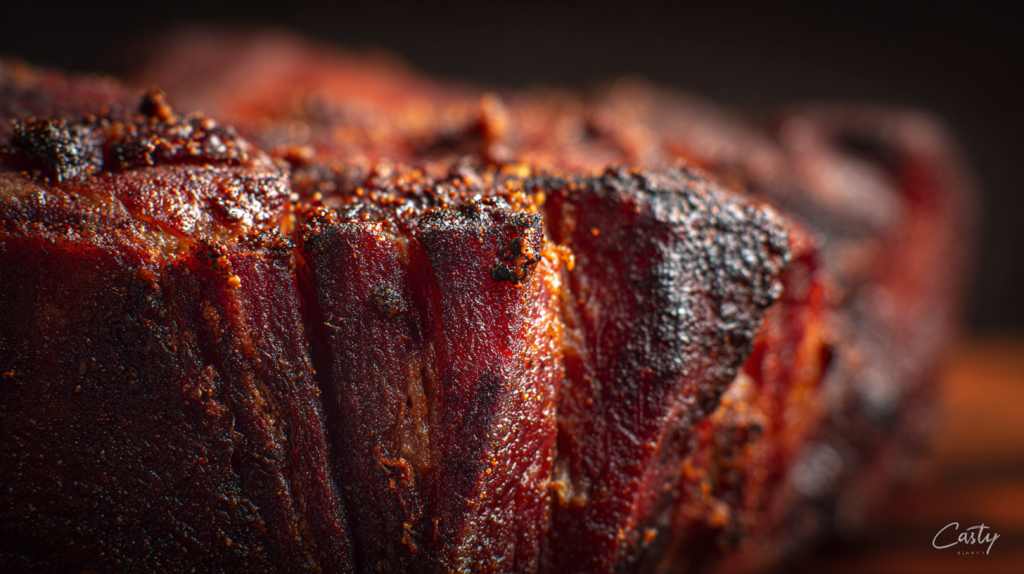
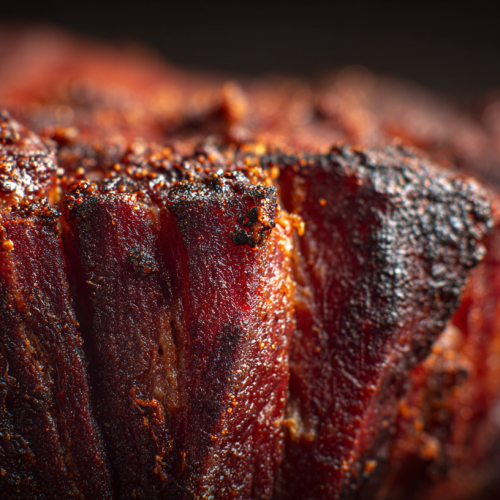
This competition-worthy Pulled Pork Rub Recipe is the secret weapon for creating that coveted, dark mahogany “bark” that defines real BBQ.
By balancing dark brown sugar with a specific “secret ingredient” for smoky depth, this blend guarantees a caramelized crust that locks in moisture and explodes with flavor in every bite. It creates a professional-quality finish on any pork shoulder, regardless of whether you are using a smoker, slow cooker, or oven. To complete the feast, serve your tender pork alongside a fresh batch of Creamy Coleslaw to provide the perfect cool crunch against the rich meat.
The Ultimate Foundation for Award-Winning BBQ
Has this ever happened to you? You spend 12 or 14 hours tending to a beautiful pork shoulder—the smoke is just right, the temperature is steady—but when you finally pull it apart, the flavor is just… fine. It’s tender, certainly, but it lacks that deep, caramelized, flavor-packed pulled pork rub recipe “bark” that makes you close your eyes and sigh with satisfaction. You’ve done all the work, but you’re missing the magic.
Well, you can rest your mind, because that frustration ends right here. After decades in the kitchen, and countless hours over the smoker (starting with an old barrel I converted myself!), I’m going to share the foundation of all good BBQ: the dry rub. This isn’t just a mix of spices; it’s a carefully balanced formula for developing that perfect, mahogany-colored crust—the kind of bark that locks in moisture and delivers a flavor explosion with every single bite. By the time you finish this article, you’ll not only have the very best recipe, but you’ll also understand the why behind every ingredient and step, ensuring your next cook is your most successful yet.
Mastering the Pulled Pork Rub Recipe: The Science of “Bark”
When we talk about great smoked pork, what we’re really talking about is the bark. That dark, crispy, deeply seasoned crust isn’t just good looks; it’s the signature of a professional pitmaster. But it’s not as mysterious as it sounds.
The perfect pulled pork rub recipe creates bark through a beautiful marriage of science and heat:
1. The Maillard Reaction (Color and Depth): This is where the magic happens. The protein and amino acids in your meat react with the sugars in your rub when exposed to heat. This reaction is what creates hundreds of new flavor compounds, resulting in that deep brown, complex crust.
2. Desiccation (The Crust): As the meat cooks low and slow, the surface moisture slowly evaporates. The spices and sugars, having dissolved into the surface moisture, remain behind and form a stable, crunchy shell. Salt plays a crucial role here, drawing out moisture and then dissolving to form a flavorful brine on the surface.
3. The Smoke Ring (A Visual Delight): While not technically part of the bark, the nitrates and nitrites in your seasoning (which come naturally from spices like paprika and sometimes chili powder) react with the gases in the smoke, creating that iconic pink ring just beneath the surface of the bark.
Pro-Tip: The Moisture Barrier Secret
My secret to a great bark? It’s all about the moisture. Before applying any pulled pork rub, lightly mist your pork shoulder (or whatever cut you’re using) with a binder. Forget mustard—that can sometimes interfere with the color. I use plain, room-temperature apple cider vinegar in a spray bottle. The acidity helps the spices stick evenly without adding heavy flavor, and it encourages better bark formation by keeping the surface damp just long enough for the spices to dissolve and set up shop.
The Anatomy of Great BBQ Rubs: Sweet, Savory, and Heat
A great rub is a symphony, not a solo. It needs a distinct balance. When you’re crafting your own BBQ rubs, you want to think about four distinct categories of flavor components. Ignoring any of these components results in a flat, one-dimensional seasoning that won’t stand up to hours in the smoker.
1. The Foundation (Salt and Pepper): This is non-negotiable. Salt is the only ingredient that actually penetrates the meat (the rest is surface flavor). We use a mix of salt and freshly ground black pepper (preferably a coarse grind like “butcher’s cut”) to provide the baseline seasoning and texture.
2. The Sweetener (Caramelization): Dark brown sugar is the star here. It not only provides that wonderful, sticky sweetness but, more importantly, it melts and caramelizes under heat, forming that beautiful, dark-red mahogany color in the bark. Don’t be afraid of the brown sugar; it’s what makes the bark stick.
3. The Savory & Aromatic (Umami): Garlic powder and onion powder are your workhorses. They’re essential for giving the rub depth, grounding the sweetness, and making the resulting flavor feel robust and familiar. This is where you separate a good rub from a great one.
4. The Color and Complexity (Earth & Fire): Smoked paprika is the key to the color, lending a beautiful red hue and deepening the smoky notes. Then we add chili powder, cumin, and chipotle chili pepper. The chipotle chili pepper is an absolute game-changer, as it delivers heat and an extra layer of distinct, toasted smokiness that regular chili powder can’t touch. It’s my little secret ingredient.
Achieving Flavor Penetration
Many home cooks wonder, “How much rub is enough?” or “Do I really need to let it sit overnight?” The answer is yes, and here is how you ensure maximum flavor with your chosen pulled pork rub.
Preparation for Deep Flavor (The Night Before):
- Pat the Meat: Make sure the pork shoulder is pat dry with paper towels first. Then, apply your binder (like the apple cider vinegar mentioned above). The slightly tacky surface is exactly what you want.
- The “Texture” Test: You want to apply enough rub so that you can no longer see the pink of the meat beneath the spice layer, but not so much that it’s caked on and falling off. It should look like a rich, velvety blanket. For an 8-10 pound pork shoulder, you’ll use about 1/3 to 1/2 cup of rub, ensuring every surface is covered.
- The Waiting Game: Once the rub is applied, wrap the meat tightly in plastic wrap (or place it in a large Ziploc bag) and refrigerate it for a minimum of 6 hours, but 12 hours is truly the sweet spot. This allows the salt to start its work, pulling out moisture and creating a seasoned brine that the other spices dissolve into. Read “The Ultimate Guide to Dry Brining” here.
Common Mistakes to Avoid When Using BBQ Rubs
After all that careful blending and long, slow cooking, the last thing you want is a disappointment. Here are the most frequent pitfalls I see home cooks fall into—and how to sidestep them gracefully.
Mistake 1: Ignoring the Smoke/Heat Ratio. If your bark is burning (turning black and bitter) before the meat is cooked through, your heat is too high! The goal is 225°F to 250°F (107°C to 121°C). If you’re seeing too much black early on, it means the sugars in the rub are burning before the spices have a chance to set up a proper bark. The Solution: Lower your temperature. You can also wrap the meat in foil (the “Texas Crutch”) once the bark is the color you like, usually around the 160°F mark. The foil protects the bark while the meat finishes cooking.
Mistake 2: Applying the Rub Vigorously (Massaging). Despite the common term “rub,” you don’t need to aggressively massage the spices into the meat. The dark brown sugar is prone to clumping, and you can actually loosen the surface connective tissue, which can interfere with bark formation. The Solution: Pat, don’t massage. Simply press the rub firmly onto the surface with the palm of your hand. The meat’s natural moisture, aided by any binder, will do the rest of the work.
Mistake 3: Substituting Smoked Paprika. You might be tempted to use regular sweet paprika if that’s all you have on hand. Don’t! Smoked paprika is essential. It delivers a rich, authentic wood-smoke flavor that you simply can’t get from plain paprika, making your flavor profile deep and complex, even before the pork sees a smoker.
Enhancing Your Pulled Pork Rub Recipe: Advanced Flavor Layers
Once you’ve mastered the core recipe, you can start experimenting. Think of the rub as a canvas. Here are a few ways I love to subtly adjust the profile to match the occasion or the type of BBQ rubs being used.
Going Beyond the Basics
For a Coffee-Infused Earthiness: Try adding 1-2 tablespoons of finely ground espresso powder. This adds an incredible depth of color and a subtle bitterness that balances the sugar beautifully. You won’t taste “coffee,” just an amazing richness. The dark roast enhances the smoky notes in the chipotle and paprika.
For a Mustard-Based Kick (Carolina Style): Reduce the smoked paprika slightly and introduce 1 tablespoon of quality dry mustard. This sharp, tangy element is what defines the flavor profile of the Carolinas and pairs wonderfully with the sweet notes from the brown sugar.
For a Spicier, Southern-Style Heat: If you like a kick that makes your nose run just a little, consider doubling the cayenne pepper. Be gentle, though! A little cayenne goes a long way. For advanced cooks, a half-teaspoon of quality ghost pepper powder will certainly get their attention!
Insider Secret: The Double-Coat Technique
If you are aiming for a competition-worthy bark—that super-thick, almost impenetrable crust—you need to use the double-coat technique.
- First Coat (The Night Before): Apply a generous layer of your pulled pork rub recipe and refrigerate for 12 hours. This is the internal seasoning layer.
- Second Coat (Right Before Cook): Just 30 minutes before placing the meat in the smoker, apply a second, lighter dusting of the rub. This layer, consisting mostly of sugar and fine salt, is primarily for external color and texture and helps fill in any gaps created overnight.
Storage, Shelf Life, and Troubleshooting
There’s no point in making a perfect blend if it goes bad or clumps up before you can use it. Your homemade BBQ rubs will keep for a good long while if you treat them right.
Storing Your Pulled Pork Rub
The enemies of a good spice mix are light, heat, and moisture.
- Use Airtight Jars: A mason jar with a tight-fitting lid is my favorite. Avoid clear containers that let in light.
- Cool, Dark Place: Store the jar away from the stove, oven, or any window. A cool, dark pantry shelf is ideal.
- The Time Rule: Spices don’t technically spoil, but they do lose potency. This pulled pork rub recipe will retain optimal flavor for up to one year. If it loses its strong, pleasant aroma, it’s time to make a fresh batch.
- The Clumping Fix: Brown sugar is the culprit if you see clumping. If the rub gets humid, simply break up the clumps with a fork or, if it’s severe, pulse it quickly in a food processor until it flows freely again.
Quick Troubleshooting Guide (The Cook)
| Problem | Likely Cause(s) | Quick Fix or Adjustment for Next Time |
|---|---|---|
| Bark is Too Salty | Too much salt, or not enough brown sugar to balance. | Reduce salt by 1 tablespoon in the next batch. Let diners add more salt at the table if needed. |
| Rub is Burning/Black | Cooking heat is too high. Sugars are caramelizing too quickly. | Maintain smoker/oven temperature between 225°F and 250°F. Use the Texas Crutch (foil wrap) earlier. |
| Weak Bark Formation | Meat surface was too dry, or opening the smoker too often. | Ensure the meat is slightly damp (use the binder!). Avoid checking on the meat for the first four hours to maintain even heat and smoke. |
| Flavor is Too Mild | Not enough quantity applied, or rub is stale. | Increase the rub ingredients by 50% for a stronger flavor next time. Ensure you apply the rub generously. |
Perfect Pairings: What to Serve with Your World-Class Pulled Pork
You’ve made the perfect pork, now you need the perfect plate. The secret to a truly memorable BBQ meal is balance. Our sweet and smoky rub profile needs a touch of acidity and freshness to cut through the richness of the meat.
- The Ideal Sauce Counterpoint: Since this rub is rich and sweet, it pairs beautifully with an acidic, dark red bolded text vinegar-based Carolina mop sauce or a tangy mustard-based sauce. A thick, sweet Kansas City sauce works, but the vinegar cut is often better for balance.
- Coleslaw is Mandatory: Creamy coleslaw is not just a side; it’s a critical textural element. The cool, crisp cabbage and creamy dressing refresh the palate after the dense, smoky meat.
- The Cornbread Choice: Do you prefer sweet or savory cornbread? I lean toward savory, buttermilk cornbread to keep the sugar balance on the plate, but either works as a delicious sponge for the meat juices.
- The Essential Crunch: Don’t forget the pickles! A handful of crispy dill pickles provides a much-needed salty, acidic crunch.
The Joy of the Finish Line
Now that we’ve walked through every secret—from the exact role of the smoked paprika to the essential ‘pat, don’t massage’ application technique—you’re no longer just following instructions. You’re operating with the kind of deep confidence that comes from knowing why you’re doing something.
The biggest mistake you can make now is overthinking it. You have the ultimate pulled pork rub recipe in your hands, you understand the timing, and you know how to build that beautiful bark. The smoke, the meat, and the spices have done their work. When you finally pull that glorious, meltingly tender pork shoulder apart and see that deep mahogany crust, you’ll know exactly what I mean when I say the kitchen has become the heart of the home. Go on and share this flavor with your people. Nothing brings folks together like a platter of pulled pork done right. I’m already looking forward to hearing all about your success.
Ultimate Sweet and Smoky Pulled Pork Rub Recipe
Equipment
- Medium mixing bowl
- Measuring spoons
- Measuring cups
- Airtight container or mason jar
- Whisk or spoon
Ingredients
- 1/3 cup dark brown sugar
- 1/4 cup smoked paprika
- 3 tablespoons salt
- 2 tablespoons garlic powder
- 2 tablespoons onion powder
- 2 tablespoons black pepper freshly ground
- 1 tablespoon chili powder
- 1 tablespoon cumin
- 1 tablespoon chipotle chili pepper
- 1 teaspoon cayenne pepper
- 1 teaspoon dry mustard
Instructions
- In a medium mixing bowl, combine all the dry ingredients: dark brown sugar, smoked paprika, salt, garlic powder, onion powder, black pepper, chili powder, cumin, chipotle chili pepper, cayenne pepper, and dry mustard.
- Using a whisk or spoon, thoroughly blend all ingredients together until the mixture is uniform in color and texture. Break up any clumps of brown sugar to ensure even distribution throughout the rub.
- Transfer the completed rub to an airtight container or mason jar with a tight-fitting lid. Label the container with the date and contents.
- To use, generously coat all sides of your pork roast with approximately 1/3 cup of rub per 8-10 pounds of meat. Pat the rub onto the surface of the meat; there's no need to vigorously massage it in as the natural moisture of the meat will help it adhere.
- For best results, apply the rub and let the meat rest in the refrigerator for 2-12 hours before cooking to allow the flavors to penetrate deeply. Bring to room temperature 30 minutes before cooking.
Notes
Nutrition
Rate This Recipe
Share This Recipe With The Ones You Love!