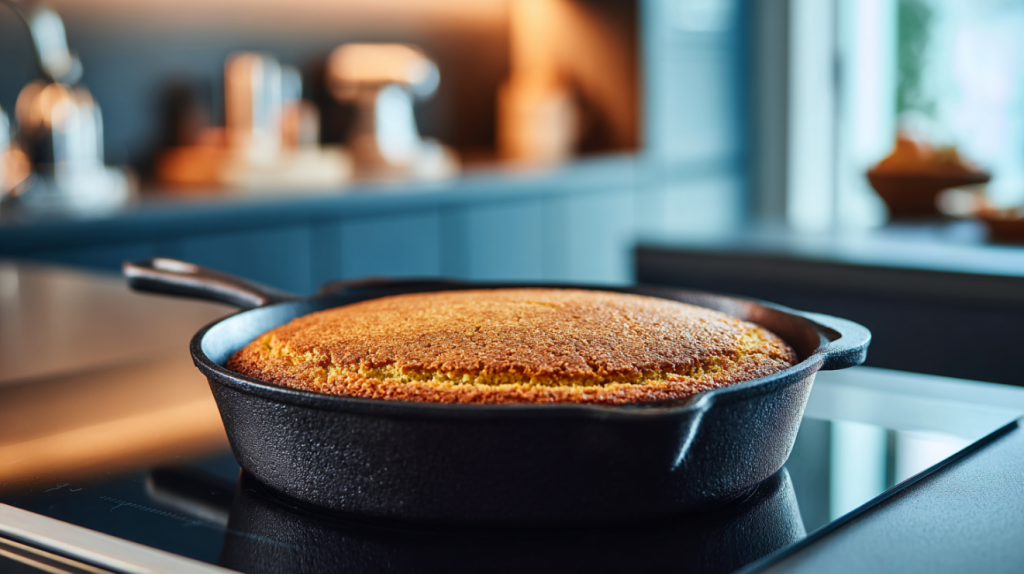
There is a kind of cornbread that most people have forgotten how to make, and this crackling bread recipe is the one that brings it all back — rich with rendered pork cracklings, baked in a cast iron skillet so hot the batter sizzles the second it hits the pan, with a crust so good you will eat the edges first.
If you have been searching for the real thing — not a dressed-up cornbread with crumbled pork rinds tossed in as an afterthought — this is it. This is the bread that came from a time when nothing from the hog went to waste, when rendering lard was just part of the week’s work and the cracklings left behind were too good to throw away. I am going to walk you through every step the way my mother taught me, so you end up with bread that tastes like it came straight out of a farmhouse kitchen. Because in a way, it did.
The Bread That Built a Way of Life
Crackling bread goes back further than most recipes I know. It was not invented — it was a natural outcome of the way families lived. When hog-killing time came around in late fall, every part of that animal had a purpose. The fat was rendered down into lard for the year’s cooking, and what was left behind after the rendering — those crispy, golden, deeply flavored bits of pork — were the cracklings. Nobody was about to let those go to waste.
My mother made this bread all through the cold months, right after we had put up the lard. She would have a bowl of cracklings sitting on the counter, still warm, and she would fold them right into her cornbread batter. The whole kitchen smelled like something between fresh cornbread and bacon, and there was never a single piece left over. It was the kind of bread that people would stand at the stove and eat before it even made it to the table.
What makes this crackling bread recipe different from regular cornbread is not just the cracklings themselves — it is how the pork fat changes the texture and flavor of the entire bread. The cracklings release just enough grease into the batter as it bakes to create something richer and more satisfying than plain cornbread could ever be. It is heartier, more substantial, and it stands on its own as something worth making even when you have nothing else to serve alongside it. If you are working through The Complete Guide to Southern Cooking: Techniques, Traditions & Time-Tested Wisdom, this is one of those foundational recipes that connects everything together.
What Goes Into Real Crackling Bread and Why It Matters
The cracklings are the heart of this bread, and the quality of your cracklings will determine whether this turns out extraordinary or just decent. Fresh cracklings — the kind you get from rendering your own lard at home — are the gold standard. They have a deep, savory pork flavor with a satisfying chew that softens just slightly in the batter during baking. If you have never rendered lard before, I cover the whole process in How to Render Lard or Tallow From Scratch, and I promise it is easier than you think.
If you cannot get your hands on fresh cracklings, you can use the packaged pork cracklings you find at country stores or the meat counter. They work, but they tend to be drier and less flavorful than what you get from a fresh rendering. Pork rinds from a bag are the last resort — they will give you some of the texture but almost none of the deep pork flavor that makes this bread what it is. I will be honest with you: the bread is only as good as what you fold into it.
The cornmeal matters nearly as much. White cornmeal is traditional for crackling bread, and stone-ground is always my preference because it has a coarser texture and a real corn flavor that the fine, degerminated stuff from the baking aisle cannot match. I go into the differences between types in A Guide to Cornmeal: White vs. Yellow, Stone-Ground, and Self-Rising, and it is worth understanding if you bake with cornmeal regularly. Yellow cornmeal will work if that is what you have, but the flavor profile will be slightly sweeter and the color will be different from what you would see in a traditional Appalachian kitchen.
The hot water in this recipe is not optional and it is not a shortcut — it is the method. Pouring boiling water over the cornmeal before adding the other liquids softens the meal, helps the cracklings begin to release their fat into the batter, and creates a texture that is denser and more cohesive than a standard cornbread. This is what makes crackling bread hold together in a way that lets you eat it with your hands, which is exactly how it was always eaten.
And there is no sugar in this bread. Not a pinch. This is savory bread, full stop. The cracklings provide all the richness it needs, and the buttermilk gives it a subtle tang that balances the pork fat beautifully. If you have ever wondered where people stand on the sugar question, I lay it all out in The Great Cornbread Debate: Sugar or No Sugar? — but for this particular bread, the answer has always been clear.
Quick Substitution Guide:
- Fresh cracklings → packaged pork cracklings (drier, less flavor, but acceptable)
- Pork cracklings → crushed pork rinds as a last resort (texture only, minimal flavor contribution)
- White cornmeal → yellow cornmeal (slightly sweeter, different color)
- Buttermilk → 1 cup whole milk with 1 tablespoon white vinegar, rested 10 minutes
- Bacon grease for the skillet → lard (the traditional choice for greasing the pan)
How to Make Crackling Bread That Comes Out Right Every Time
Getting Your Skillet Ready
Before you do anything else, put your 10-inch cast iron skillet in the oven with about 2 tablespoons of bacon grease or lard in it, and set that oven to 450°F. The skillet needs to be in the oven the entire time it preheats — you want that pan screaming hot, and you want that grease shimmering and on the edge of smoking. This is what gives crackling bread its signature crust. If you are still getting comfortable with your cast iron, everything you need to know is in Cast Iron Cooking: The Southern Way.
I cannot stress this enough: the hot skillet is not a suggestion. It is the single most important step in the entire recipe. That sizzle when the batter hits the grease is the sound of the crust forming, and without it, you end up with bread that is flat on the bottom instead of golden and crisp.
Mixing the Batter
While the oven is heating, get your dry ingredients together in a large bowl. Whisk the cornmeal, salt, baking powder, and baking soda together until they are evenly combined. Then toss in your chopped cracklings and stir them around so they are coated in the dry mixture and spread throughout.
Now bring your water to a full, rolling boil. Pour it right over the cornmeal and crackling mixture and stir it together with a wooden spoon. It will thicken up immediately and look like a stiff paste — that is exactly what you want. Let it sit for two or three minutes. You will see the cracklings start to glisten as they begin releasing a little of their fat into the warm batter. That is your sign that things are going the way they should.
After it has rested, stir in the buttermilk and the beaten egg. Work it together until the batter is smooth. It should be thick — thicker than regular cornbread batter — but it should still move when you tilt the bowl. If it seems too stiff to pour, add a splash more buttermilk, a tablespoon at a time. If it seems too thin, which it should not if you measured right, sprinkle in a little more cornmeal.
Into the Hot Skillet
This is the moment that matters. Pull that skillet out of the oven — use a thick, dry towel or a good oven mitt, because that handle will burn you before you even feel it — and set it on the stovetop. The grease should be liquid, shimmering, and just barely starting to show a wisp of smoke.
Pour the batter right into the center of the skillet. You should hear a loud, aggressive sizzle the instant the batter touches the grease. If you do not hear that sizzle, your skillet was not hot enough. Use the back of your spoon to gently spread the batter to the edges, but do not press it down — just guide it into place.
Baking and Knowing When It Is Done
Slide that skillet back into the oven and close the door. Do not open it for at least 20 minutes. The bread needs steady, uninterrupted heat to rise properly and set its structure. If you peek too early, you risk the center falling.
At about 25 minutes, you can start checking. The top of the bread should be turning a deep golden color — not pale yellow, but the warm golden brown of a perfectly toasted piece of bread. The edges will have pulled away just slightly from the sides of the skillet, and if you press the center gently with your fingertip, it should spring back and feel firm, not soft or wet.
The whole kitchen should smell like cornbread and pork — a warm, savory, deeply comforting smell that tells you before you even look that the bread is nearly done. At 30-35 minutes, it should be there. If you have any doubt, slide a toothpick into the center. It should come out clean or with just a few dry crumbs clinging to it.
Let the bread rest in the skillet for about five minutes. Then run a knife around the edge and flip it out onto a cutting board. The bottom should be deeply golden and crisp — that is the crust you have been building since you heated the skillet. Cut it into wedges and serve it warm.
What to Serve Alongside Crackling Bread
Crackling bread is sturdy enough to stand on its own, but it truly comes alive next to a pot of long-cooked greens. The rich, savory bread and the slightly bitter, smoky greens were made for each other — and if you have a bowl of pot likker on the table, you are going to want to tear off a piece and sop it right through. That combination is one of the oldest and most satisfying meals in Southern cooking.
A big pot of pinto beans or soup beans with a wedge of this bread is a complete supper that will fill you up without costing much. This was the weeknight meal in most of the kitchens I grew up around — a pot of beans that had been simmering all day with a ham hock, and a skillet of crackling bread pulled from the oven just as everyone sat down. It does not get more real than that.
For Sunday dinner, crackling bread pairs well with smothered pork chops, chicken and dumplings, or a good beef stew. The bread soaks up gravy and broth better than almost anything, and the cracklings add a richness that plain cornbread just cannot match. If you want to understand how to build the gravy that makes these meals sing, How to Make Perfect Gravy: Every Type will walk you through it.
Ways to Change It Up
Green Onion Crackling Bread
Fold in about half a cup of thinly sliced green onions along with the cracklings. The onions add a fresh, sharp bite that cuts through the richness of the pork, and they turn a beautiful bright green against the golden cornmeal. This was my aunt’s version, and she made it every time she had a mess of green onions coming up in the garden.
Jalapeño Crackling Bread
Add two seeded and finely diced jalapeños to the batter for a version with some heat. The pepper flavor works beautifully with the pork cracklings, and the little flecks of green and white look pretty when you cut into it. If you like more fire, leave some of the seeds in.
Crackling Bread Patties
Instead of baking in a skillet, shape the batter into small patties about half an inch thick and fry them in a cast iron pan with a thin layer of bacon grease. Cook them about 3-4 minutes per side until they are golden and crisp on both sides. These are perfect for eating out of hand and they travel well to potlucks and family gatherings. I cover this method in more detail in How to Make Southern Fried Cornbread Patties.
Cheese and Crackling Bread
Stir in about three-quarters of a cup of sharp cheddar cheese, grated, along with the buttermilk. The cheese melts into pockets throughout the bread and adds another layer of savory richness. This is not traditional by any stretch, but it is good, and sometimes good is all the reason you need.
How to Store, Reheat, and Make It Ahead
Crackling bread is best eaten the day it is made, while the crust is still crisp and the cracklings are at their most flavorful. But if you have leftover pieces, wrap them tightly in foil or place them in a zip-top bag and store them at room temperature for up to two days. After that, the cracklings start to soften too much and the bread loses its character. If you need to keep it longer, I cover the best methods in The Right Way to Store Cornbread and What to Do When It’s Stale.
To reheat, your best option is a 350°F oven for about 10 minutes. This warms the bread through and re-crisps the crust and the cracklings. The microwave will make it soft and rubbery — do not do it. A toaster oven works in a pinch if you are only reheating a wedge or two.
You can mix the dry ingredients and chop the cracklings the night before, then store the dry mixture in a covered bowl on the counter. When you are ready to bake, just boil the water, add the wet ingredients, and proceed. It shaves about ten minutes off your active time and makes this a realistic weeknight bread.
Crackling bread freezes reasonably well, wrapped tightly in foil and then placed in a freezer bag. It will keep for about a month. Reheat from frozen in a 350°F oven for about 15-20 minutes. The crust will not be quite as crisp as fresh, but the flavor holds up.
What to Do With Leftover Crackling Bread
Crackling Bread Crumbles for Greens
Crumble day-old crackling bread right into a bowl of hot collard greens or turnip greens. The bread soaks up the pot likker and the cracklings add another hit of pork flavor. This is one of those combinations that feels like it was always meant to be together.
Crackling Bread Dressing
Use leftover crackling bread as the base for a cornbread dressing. The cracklings add a depth of flavor that plain cornbread cannot, and the bread’s denser texture holds up well to the broth and eggs in the dressing mixture. It makes a holiday dressing that people will ask about.
Crackling Bread and Milk
This is the simplest and maybe the most satisfying way to use up leftover crackling bread. Crumble it into a tall glass or a bowl, pour cold buttermilk or sweet milk over it, and eat it with a spoon. It sounds plain, but the cold milk against the savory bread with those little bites of crackling is something special.
Skillet-Fried Leftover Crackling Bread
Slice day-old crackling bread into half-inch slabs and fry them in a little bacon grease in a cast iron skillet until they are crisp and golden on both sides. Serve them alongside eggs for breakfast. The outside gets crunchy while the inside stays tender, and it gives the bread a second life that is almost better than the first.
Crackling Bread Recipe
Equipment
- 10-inch cast iron skillet
- Large mixing bowl
- Medium saucepan
- Wooden Spoon
Ingredients
Crackling Bread
- 2 cup white cornmeal stone-ground preferred
- 1 tsp salt
- 1 tsp baking powder
- 0.5 tsp baking soda
- 1.5 cup pork cracklings chopped into small pieces
- 1.5 cup boiling water
- 1 cup buttermilk whole preferred
- 1 large egg beaten
- 2 tbsp bacon grease or lard for the skillet
Instructions
Prepare the Batter
- Preheat your oven to 450°F. Place a 10-inch cast iron skillet with 2 tablespoons of bacon grease or lard in the oven while it preheats.
- In a large mixing bowl, whisk together the cornmeal, salt, baking powder, and baking soda.
- Stir the chopped pork cracklings into the dry cornmeal mixture until they are evenly distributed.
- Pour the boiling water over the cornmeal and crackling mixture and stir well. The batter will be thick. Let it sit for 2-3 minutes to allow the cornmeal to absorb the water.
- Stir in the buttermilk and beaten egg until the batter is smooth and well combined. The batter should be thick but pourable — somewhere between cake batter and cookie dough.
Bake the Bread
- Carefully remove the screaming hot skillet from the oven. The grease should be shimmering and just starting to smoke.
- Pour the batter into the hot skillet. It should sizzle immediately when it hits the grease. Use a spoon to spread the batter evenly.
- Bake at 450°F for 30-35 minutes, until the top is golden brown and the edges have pulled away slightly from the sides of the skillet.
- Let the bread cool in the skillet for 5 minutes, then turn it out onto a cutting board or plate. Cut into wedges and serve warm.
Nutrition
Rate This Recipe
Share This Recipe With The Ones You Love!Common Questions About Making Crackling Bread
Can I use store-bought pork rinds instead of real cracklings?
You can, but the result will be different. Store-bought pork rinds are lighter and crispier but lack the deep, rendered pork flavor that real cracklings bring. If that is all you have, crush them into small pieces and fold them in the same way. The texture will be acceptable, but the flavor will not be the same.
Why do you pour boiling water over the cornmeal?
The hot water hydrates and softens the cornmeal before the other ingredients go in, which gives crackling bread its characteristic dense, moist texture. It also helps the cracklings begin to release some of their fat into the batter, which distributes the pork flavor throughout the bread rather than keeping it locked in the crackling pieces alone.
Can I make crackling bread without buttermilk?
If you do not have buttermilk on hand, stir one tablespoon of white vinegar or lemon juice into one cup of whole milk and let it sit for about ten minutes until it thickens slightly. It will not have quite the same tang, but it reacts with the baking soda the same way and the bread will rise properly.
Why is my crackling bread crumbly and falling apart?
The most common reason is not enough liquid. Crackling bread batter should be thick but moist. If you skipped the boiling water step or did not use enough, the cornmeal did not hydrate properly and the bread will not hold together. Make sure you measure the water accurately and let the batter rest after adding it.
Do I have to use a cast iron skillet?
A cast iron skillet is strongly recommended because it holds and distributes heat evenly, which is what creates that signature crisp crust on the bottom and sides. You could use a heavy baking pan in a pinch, but you will not get the same crust. Do not use a glass baking dish — it does not get hot enough fast enough and the bread will stick.
Can I make crackling bread in a muffin tin?
You can, and they make excellent individual portions. Grease a cast iron muffin tin generously and preheat it in the oven the same way you would the skillet. Fill each cup about two-thirds full and reduce the baking time to about 20-22 minutes. You will get a higher ratio of crust to interior, which some people prefer.
How do I make my own cracklings at home?
Cut pork fatback into small cubes, about half an inch, and cook them slowly in a heavy pot over medium-low heat, stirring occasionally. As the fat renders out, the pieces will shrink and turn golden and crispy. That process takes about 45 minutes to an hour. Drain them on paper towels and save the rendered lard for cooking — you just made two essential ingredients in one step.
Make This Bread and Taste Where It Came From
There are recipes that are just recipes, and then there are recipes that carry something with them — a way of living, a set of values, a refusal to waste what the land provides. This crackling bread recipe is one of those. It comes from a time when every part of the hog had a purpose and every meal was made with thought and care. When you pull this bread out of the oven and break off that first warm wedge, you are tasting something that goes back generations.
I hope you make this soon. I hope you make it on a cold evening when you have a pot of greens on the stove and the house needs filling with that warm, savory smell. And when you do, come back and tell me how it turned out. I am always glad to hear it.